
Strengthening Biosafety Capacity Through Training
Strengthening biosafety capacity in laboratories is essential to protect laboratory personnel, ensure the safe handling of infectious materials, and support national preparedness for public health threats. One effective and sustainable approach is through Training of Trainers (ToT) programmes, which equip laboratory professionals not only with technical knowledge, but also with the ability to transfer that knowledge within their institutions.
A National Example: Cambodia in Action
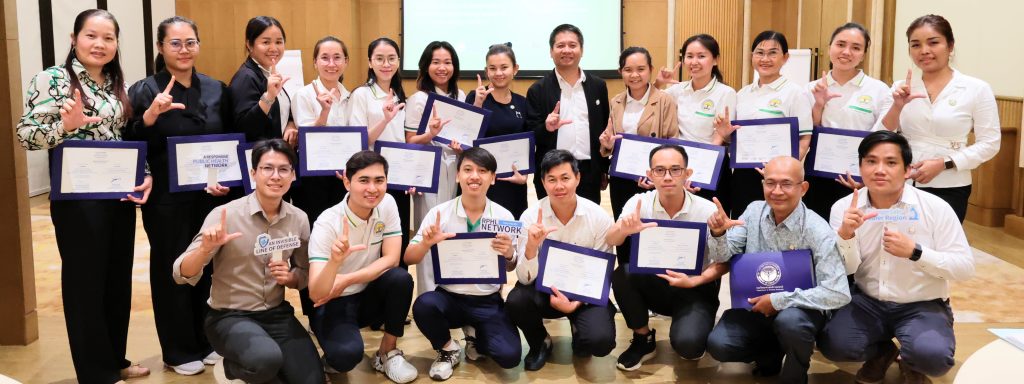
In Cambodia, this approach is already demonstrating tangible results. Through the RPHL Network Biorisk Disposal Training of Trainers programme, laboratory professionals are gaining the skills and confidence to strengthen biosafety practices and share this knowledge with colleagues across their institutions. For Sophea, a laboratory professional at the National Institute of Public Health (NIPH), the training marked a pivotal turning point in both his career and his role in improving biosafety practices within his laboratory.
From Learning to Application
The turning point came when Sophea participated in the Biorisk Disposal Training of Trainers held in Bangkok, Thailand. The programme covered the full spectrum of biosafety and biological waste management—from segregation and storage to transport, treatment, and final disposal. A key feature of the training was its practical, brain-based learning approach, which enabled participants to engage actively through demonstrations and applied exercises. More than a conventional course, the programme was designed to develop trainers and technical resources who could replicate and adapt the training within their own national contexts.
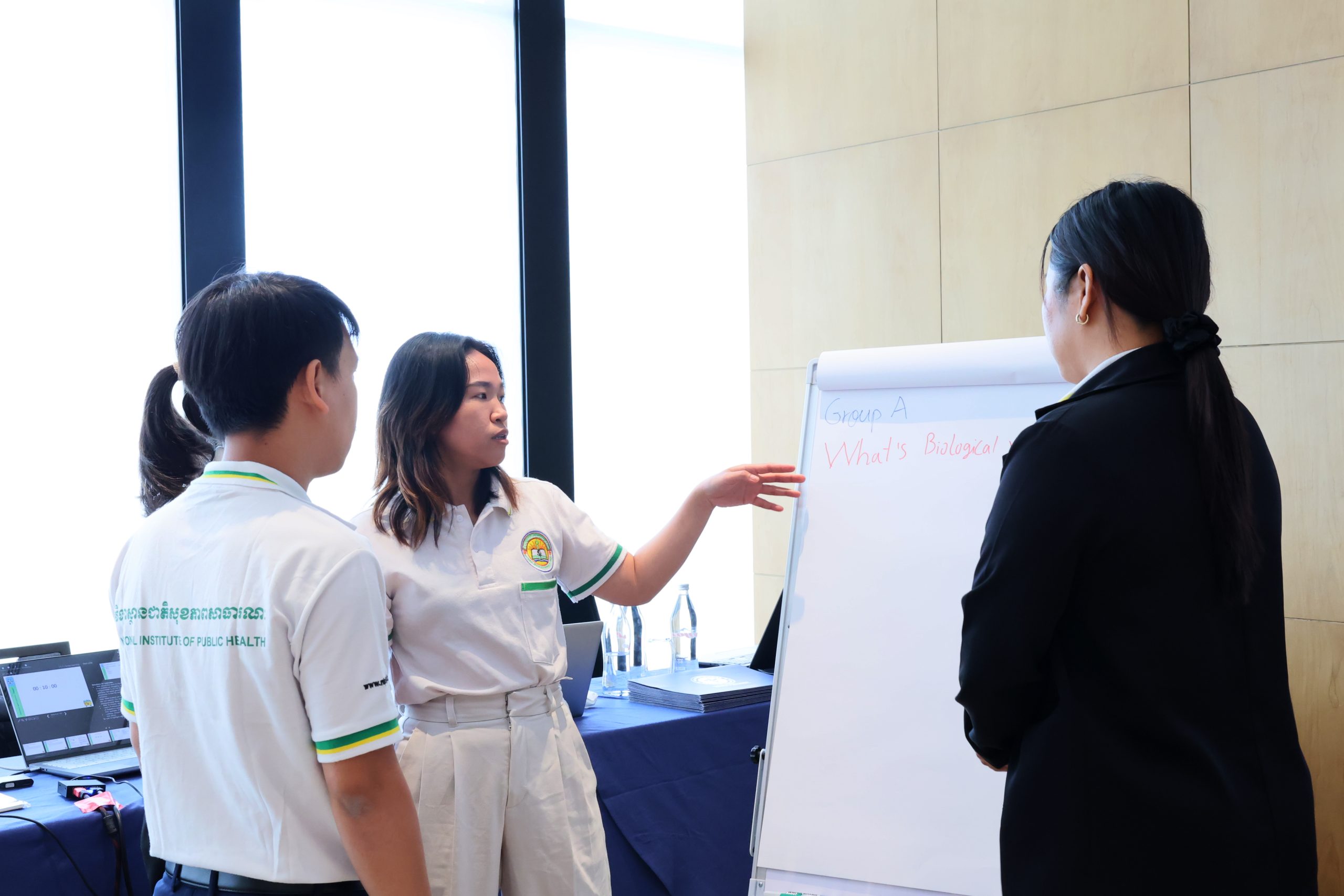
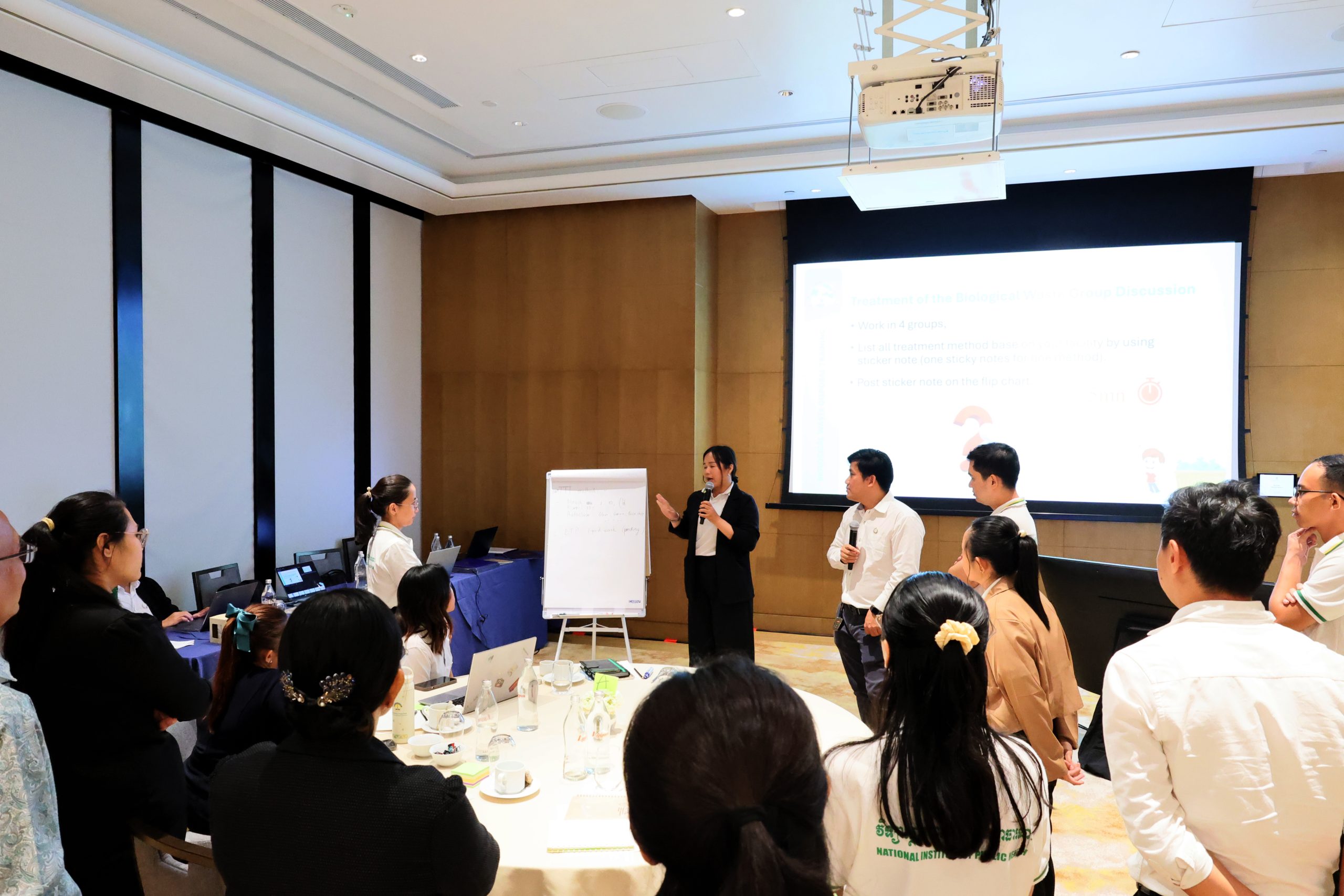
In addition to technical content, participants were introduced to practical tools, including a biorisk assessment checklist recommended by expert trainers and aligned with international guidance. Sophea’s team further adopted a risk assessment checklist aligned with ISO 15189, strengthening their laboratory’s approach to risk management. The opportunity to engage in group discussions and exchange experiences with peers from other countries was also a key component of the learning process, reinforcing both technical understanding and professional confidence.
Creating a Multiplier Effect
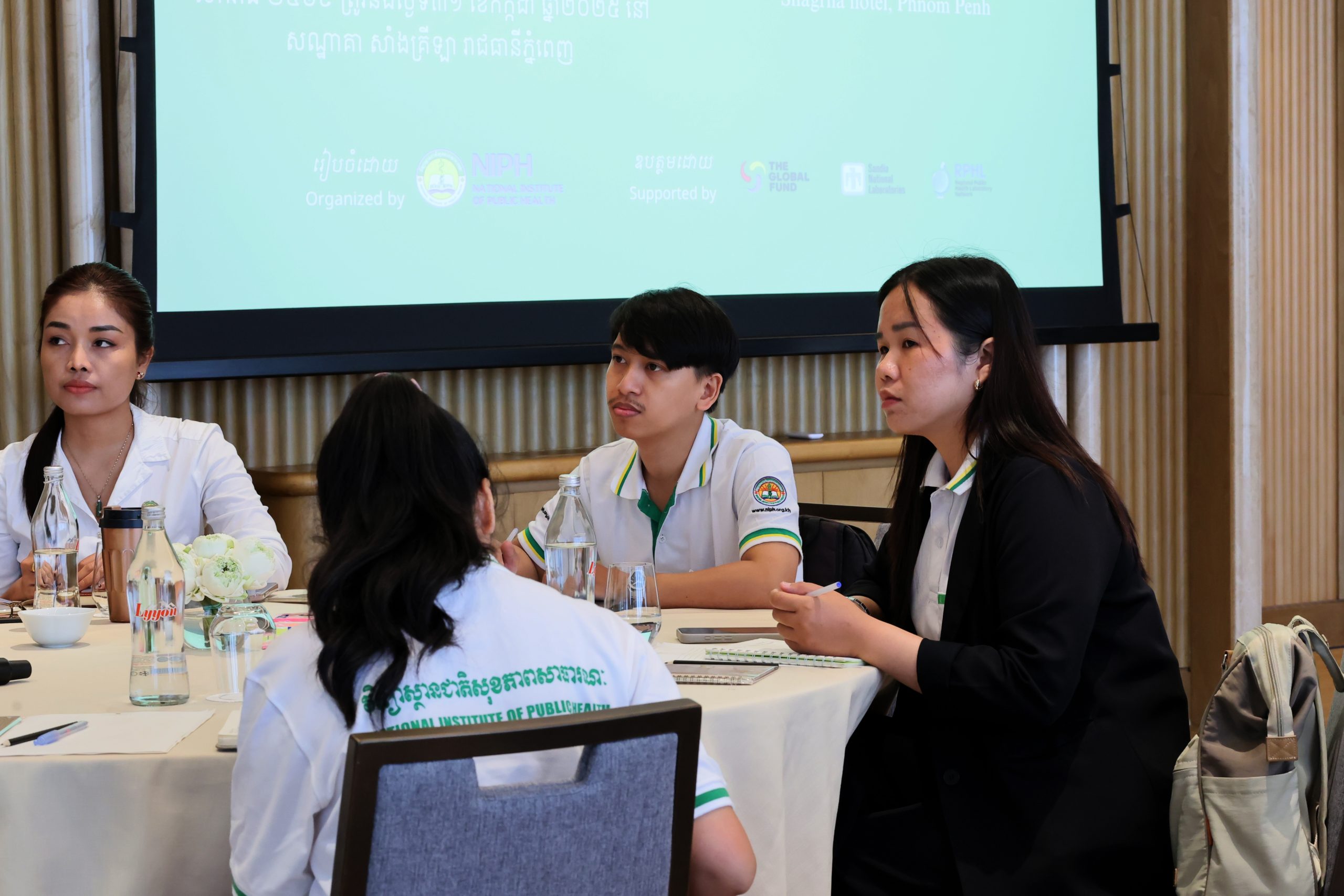
Equipped with new knowledge and skills, Sophea returned to Cambodia with a renewed sense of confidence in both his technical and leadership roles. In July 2025, together with two colleagues who had attended the same training, he conducted a biosafety training session for staff at the National Institute of Public Health. The results were clear—participants’ knowledge improved significantly, with average scores increasing from 75% to 95%, including among staff with limited English proficiency.

Mr. Sophea Phoeurn
Biosafety Officer at the National Institute of Public Health, Cambodia
Before, I thought being a trainer meant I had to know everything. But this training taught me to be open, listen to others, and learn from them too. It completely changed how I mentor.
Beyond technical improvements, the training also transformed Sophea’s mindset. He became more open to feedback, more confident in facilitating training, and more motivated to strengthen biosafety practices within his institution. He now actively encourages others to pursue similar opportunities, recognizing their value in building both professional skills and personal growth.
From Individual Growth to Regional Impact
This experience demonstrates how Training of Trainers approaches can create a multiplier effect—strengthening individual capacity while expanding expertise across institutions. It also highlights the importance of regional platforms such as the RPHL Network, which act as enablers and connectors, facilitating the exchange of knowledge, tools, and expertise across countries. Through these connections, laboratories are better positioned to build sustainable systems that are locally driven, resilient, and capable of responding to evolving public health challenges.