Number of Visitors : 245

Behind every timely diagnosis and effective outbreak response is a strong laboratory system—but building one requires more than technical capacity; it requires vision, coordination, and long-term commitment.
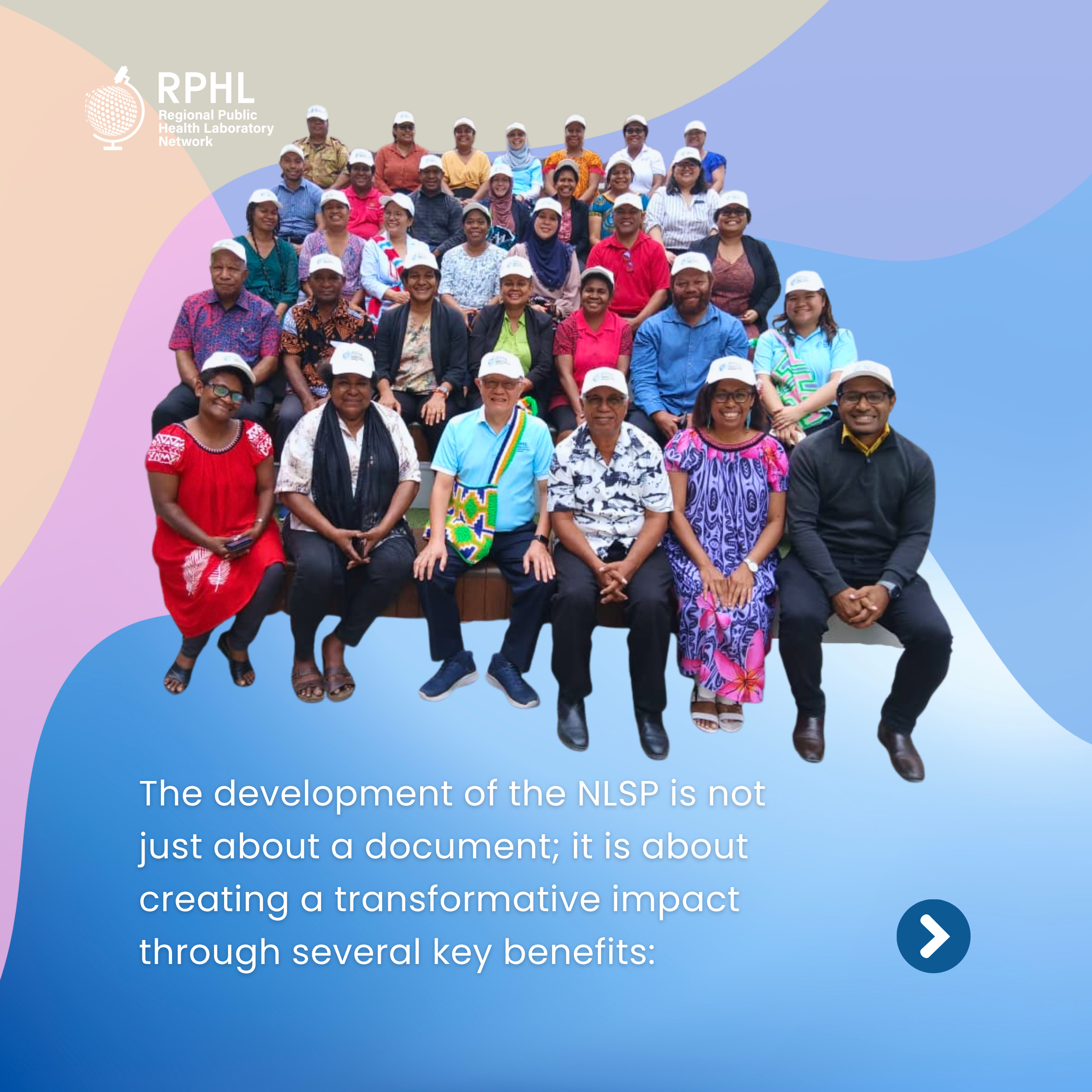
The development of the NLSP is not just about a document; it is about creating a transformative impact through several key benefits:
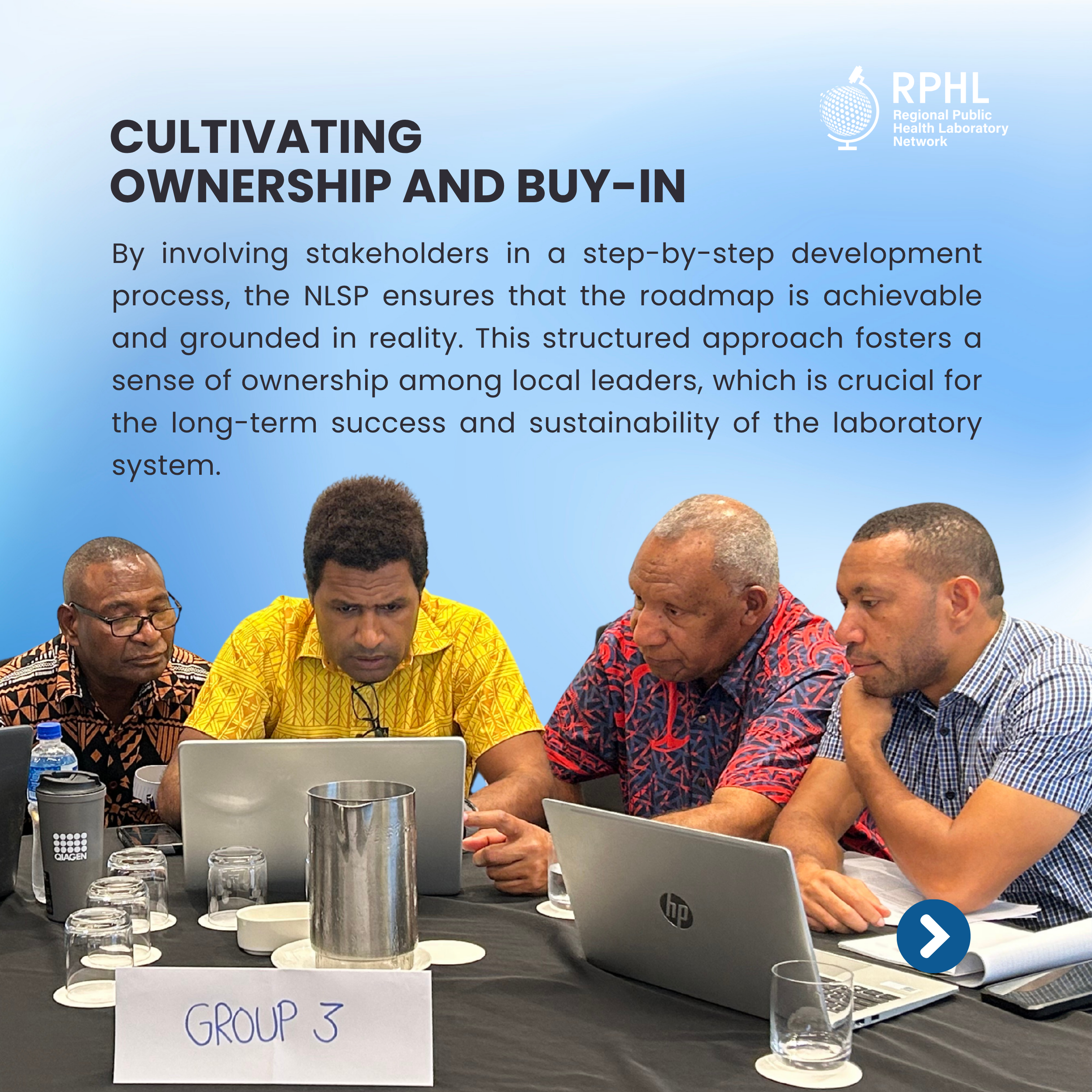
- Cultivating Ownership and Buy-in: By involving stakeholders in a step-by-step development process, the NLSP ensures that the roadmap is achievable and grounded in reality. This structured approach fosters a sense of ownership among local leaders, which is crucial for the long-term success and sustainability of the laboratory system.
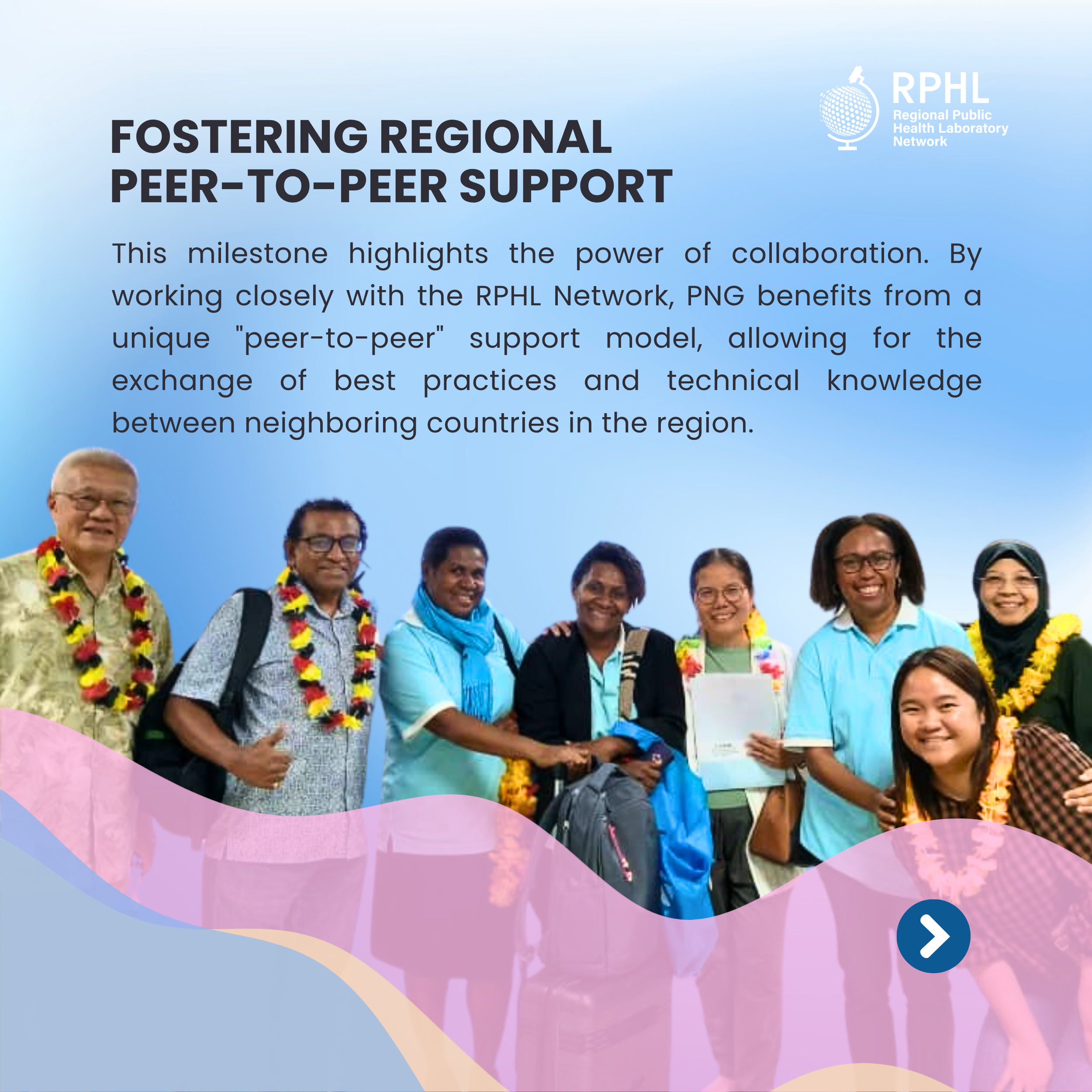
- Fostering Regional Peer-to-Peer Support: This milestone highlights the power of collaboration. By working closely with the RPHL Network, PNG benefits from a unique “peer-to-peer” support model, allowing for the exchange of best practices and technical knowledge between neighboring countries in the region.
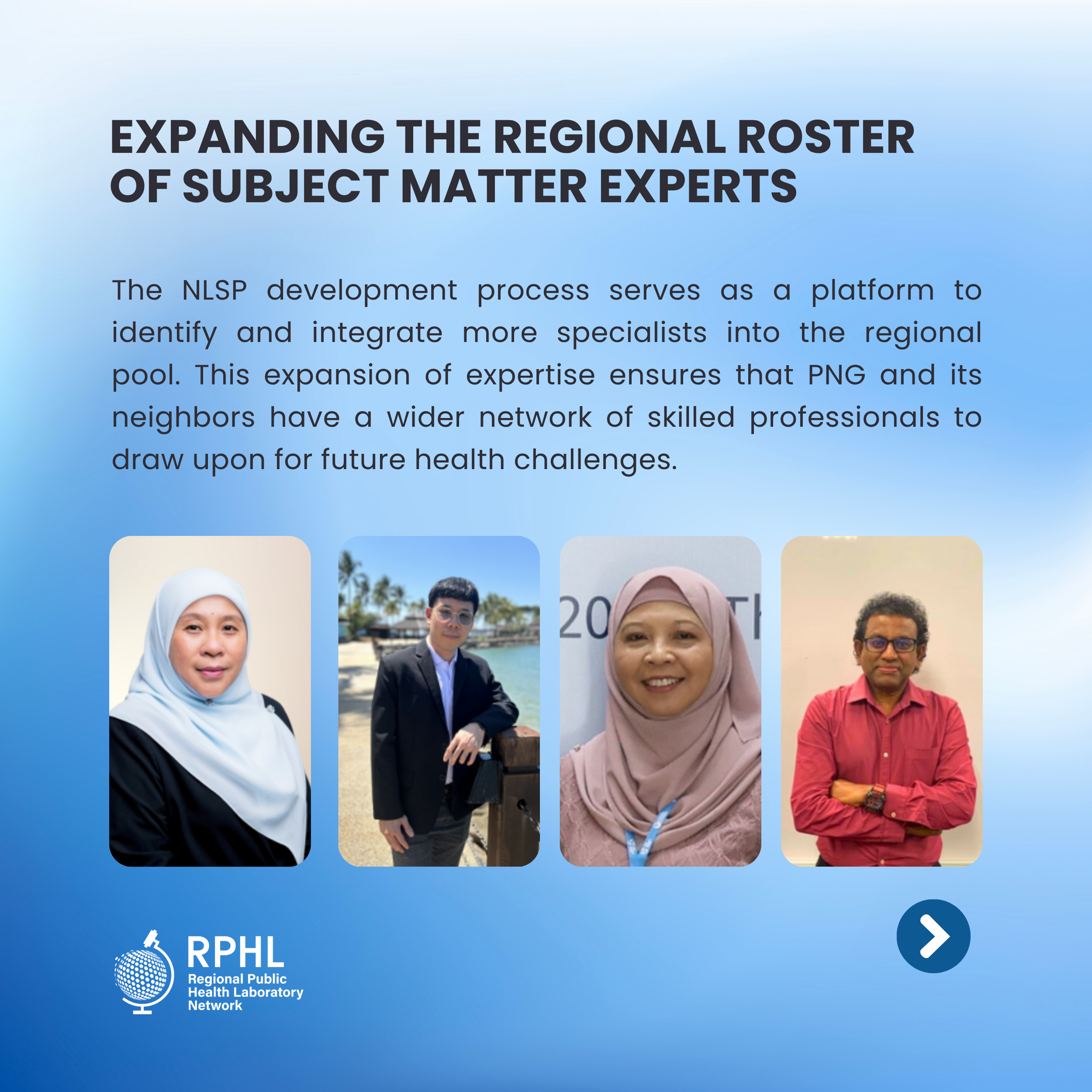
- Expanding the Regional Roster of Subject Matter Experts: The NLSP development process serves as a platform to identify and integrate more specialists into the regional pool. This expansion of expertise ensures that PNG and its neighbors have a wider network of skilled professionals to draw upon for future health challenges.
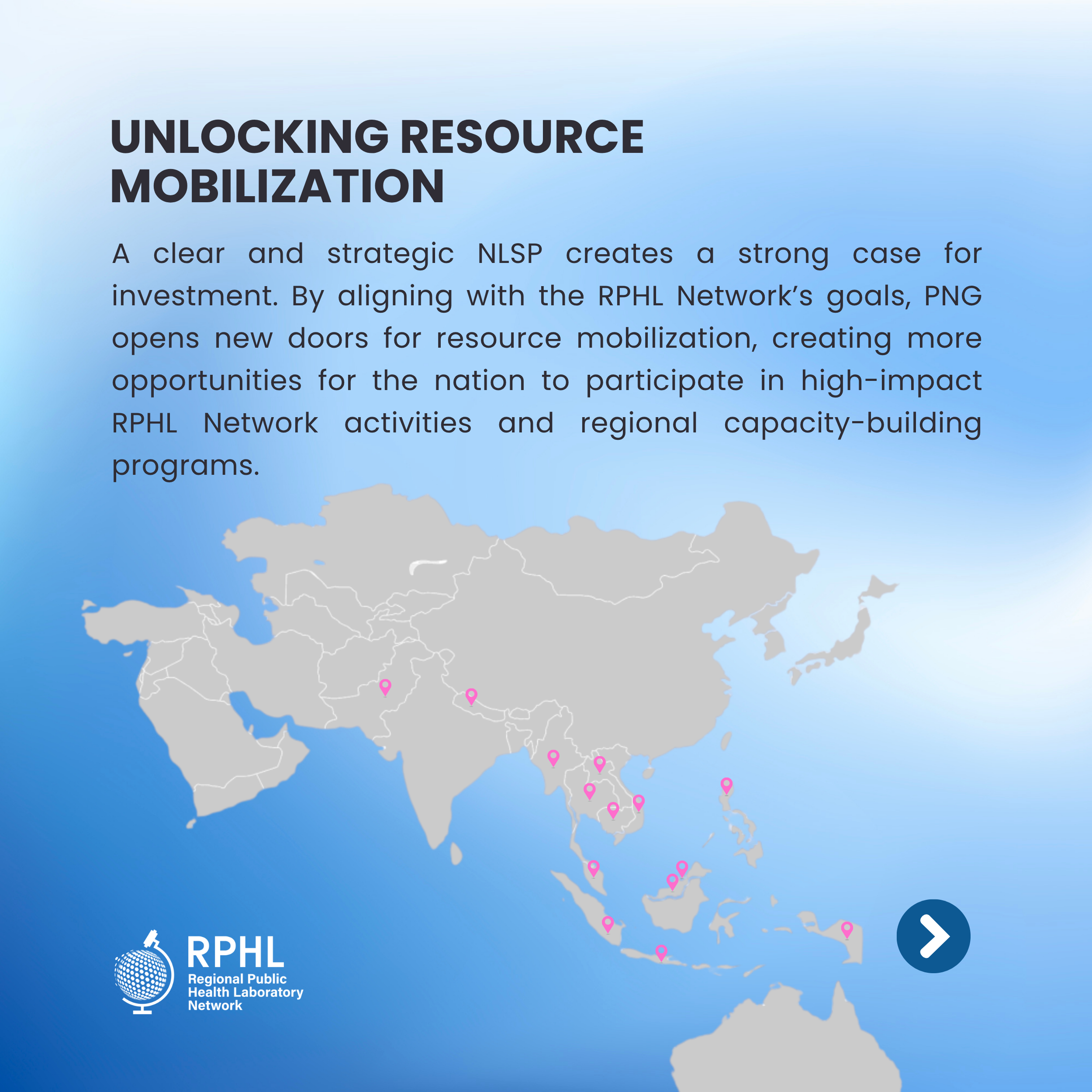
- Unlocking Resource Mobilization: A clear and strategic NLSP creates a strong case for investment. By aligning with the RPHL Network’s goals, PNG opens new doors for resource mobilization, creating more opportunities for the nation to participate in high-impact RPHL Network activities and regional capacity-building programs.
With the support of LSIF, the RPHL Network has successfully supported NLSP development in seven countries, with Papua New Guinea being a vital part of this regional progress. This workshop marks the beginning of a new era for PNG’s laboratories—one that is defined by self-reliance, regional solidarity, and technical excellence.