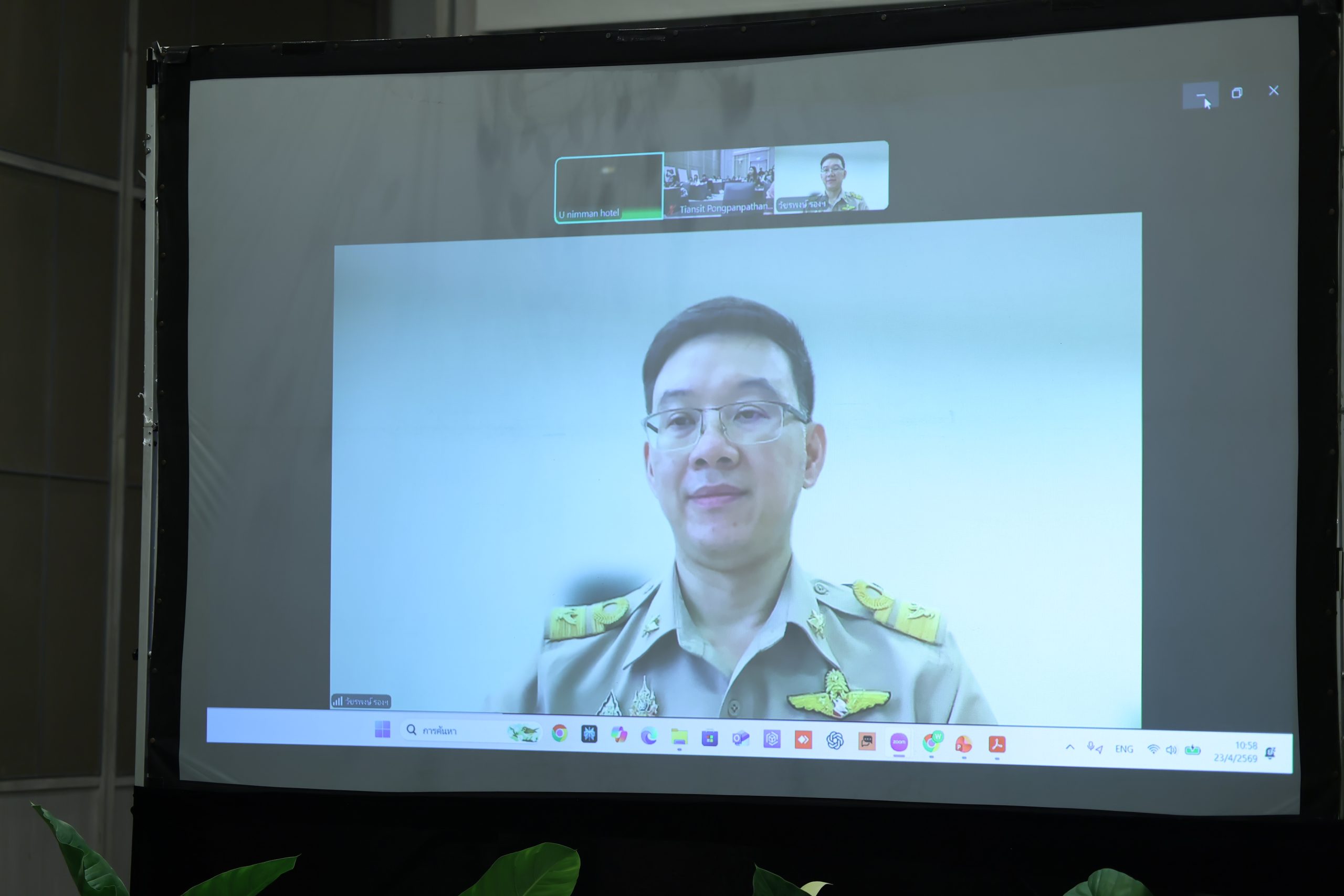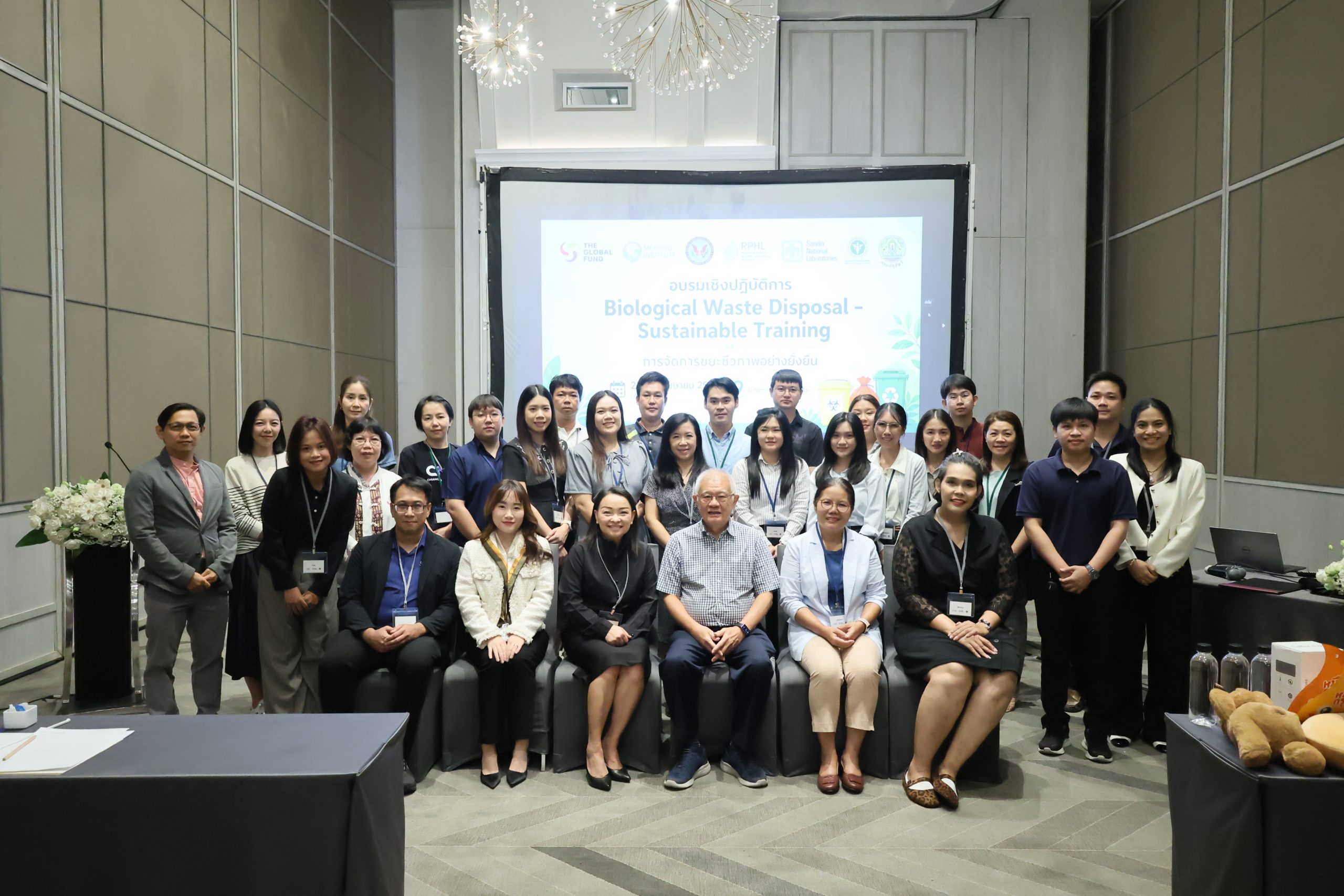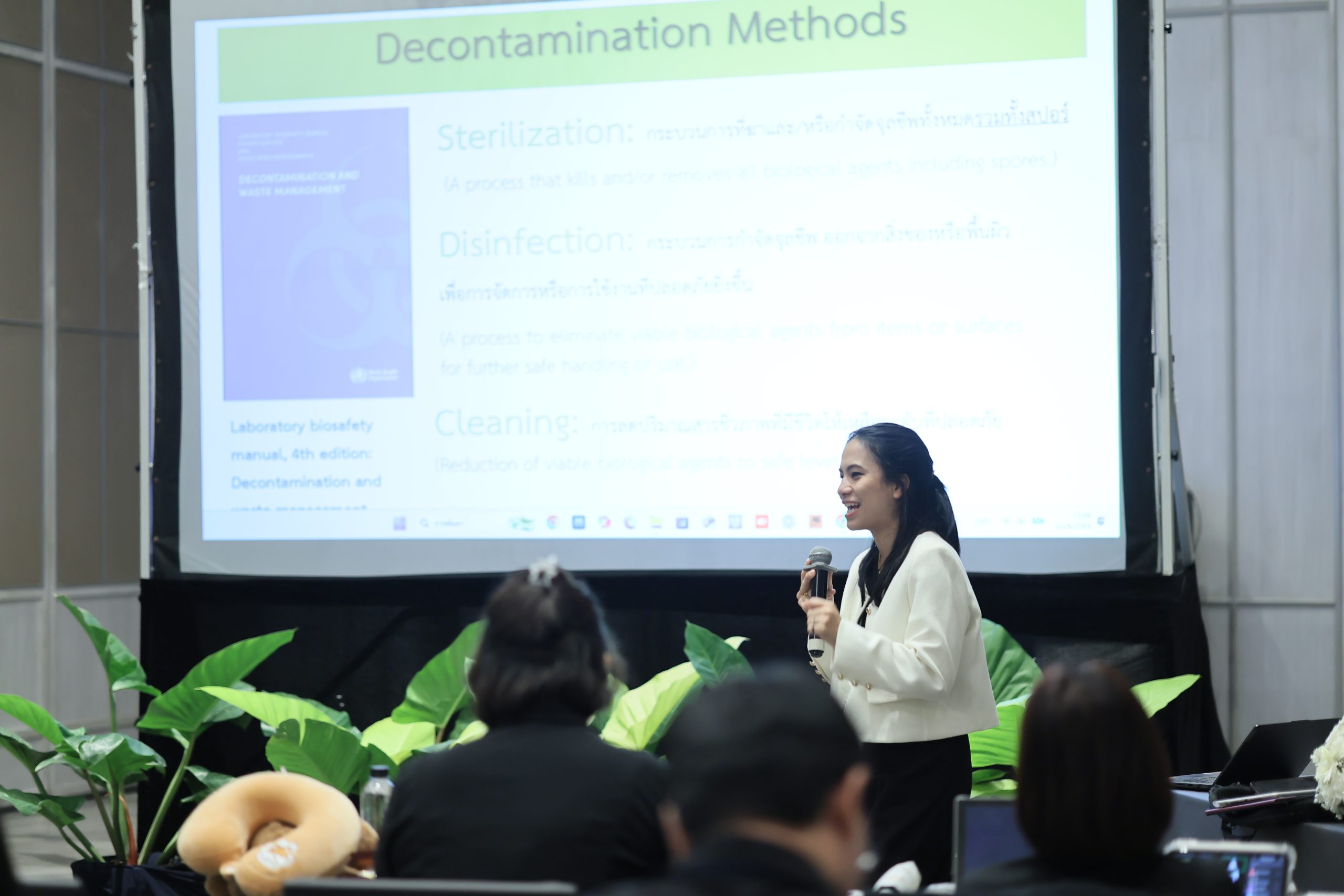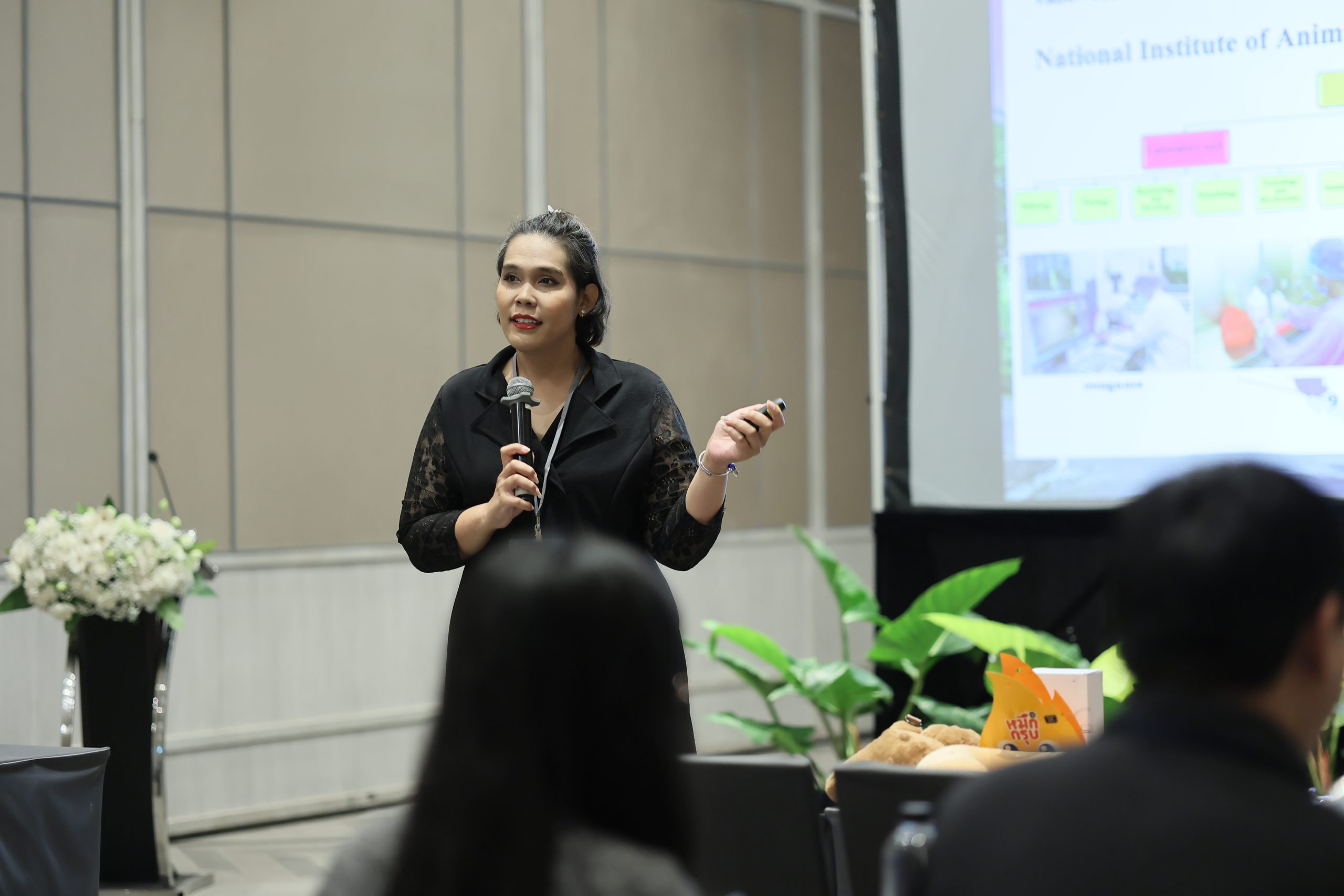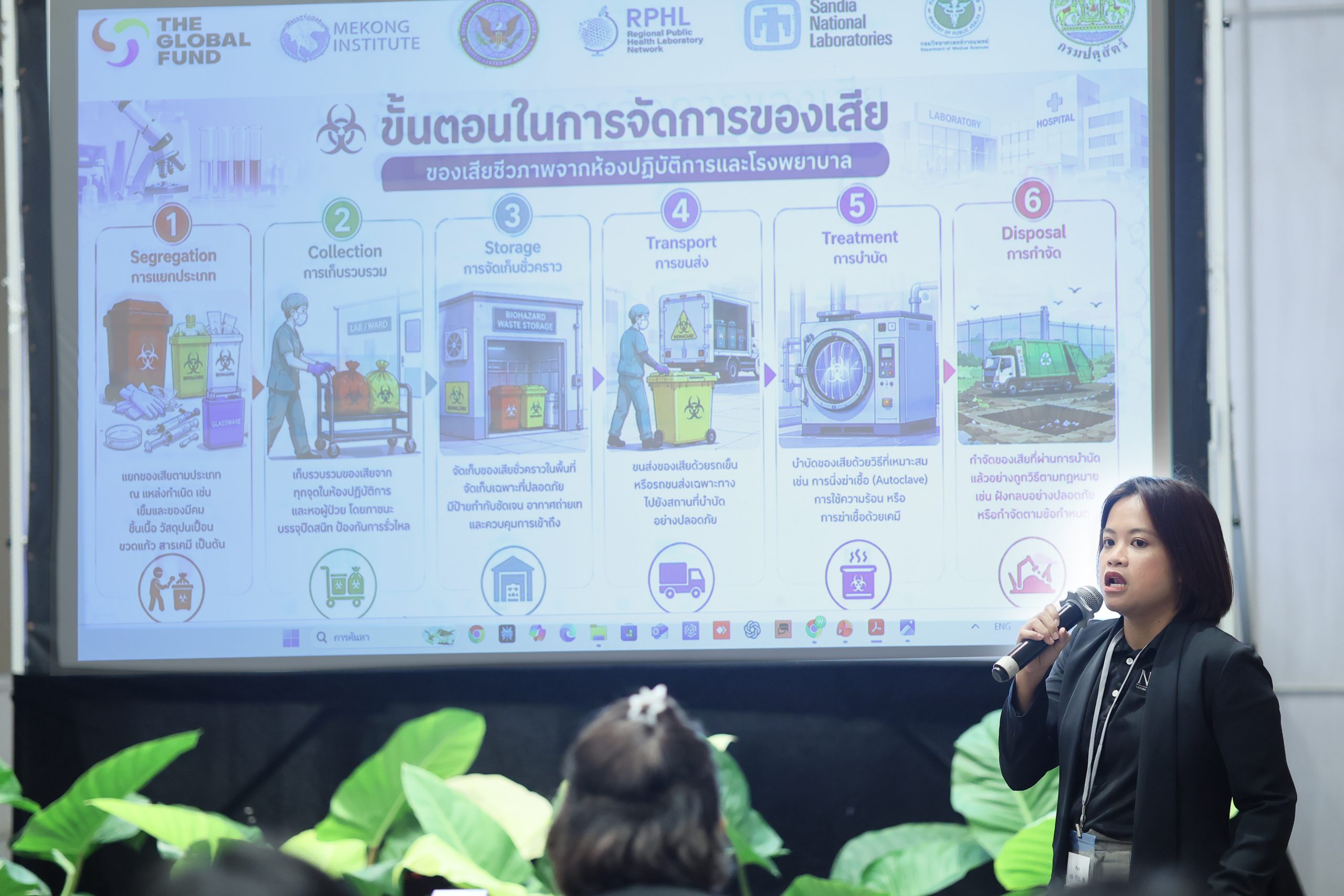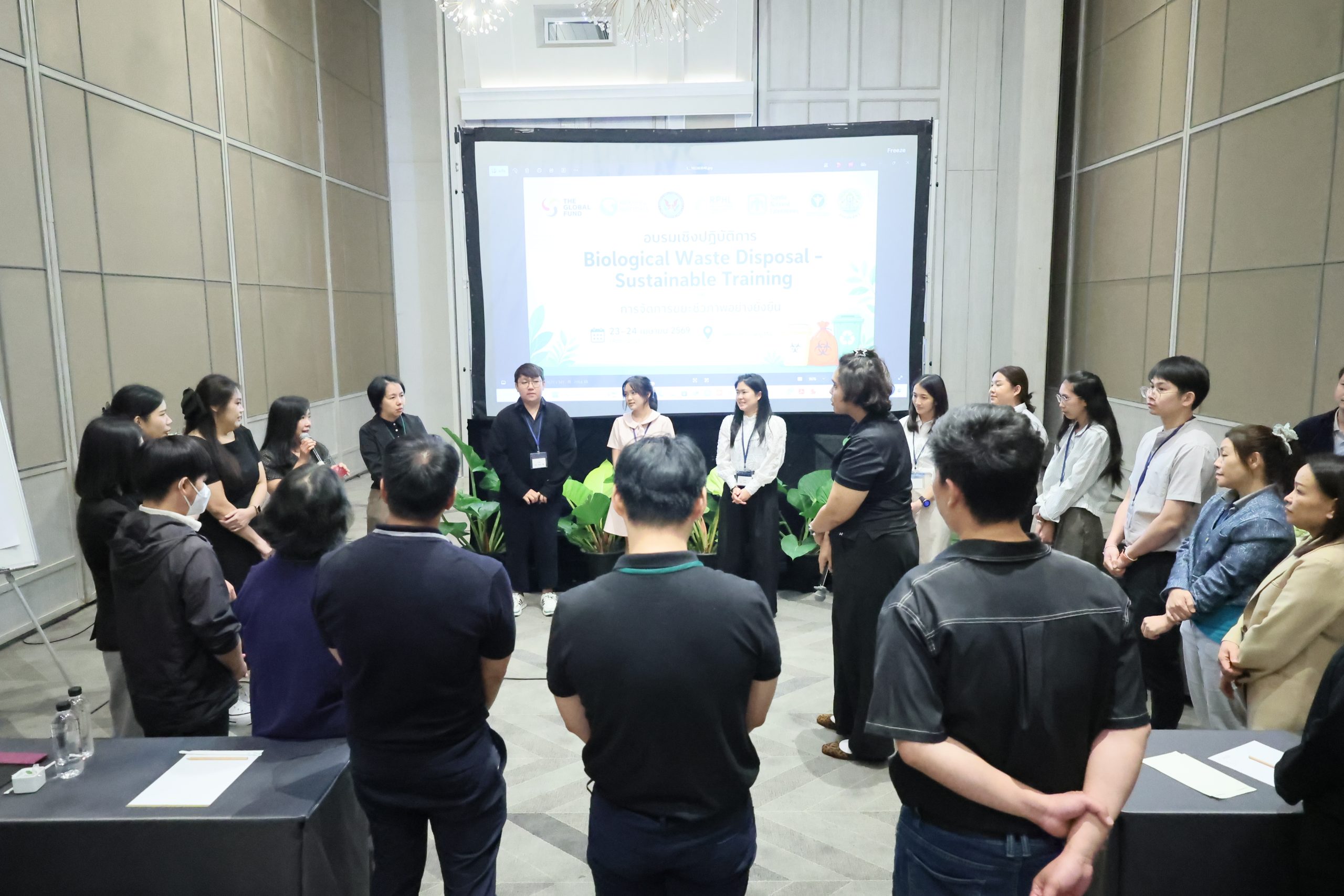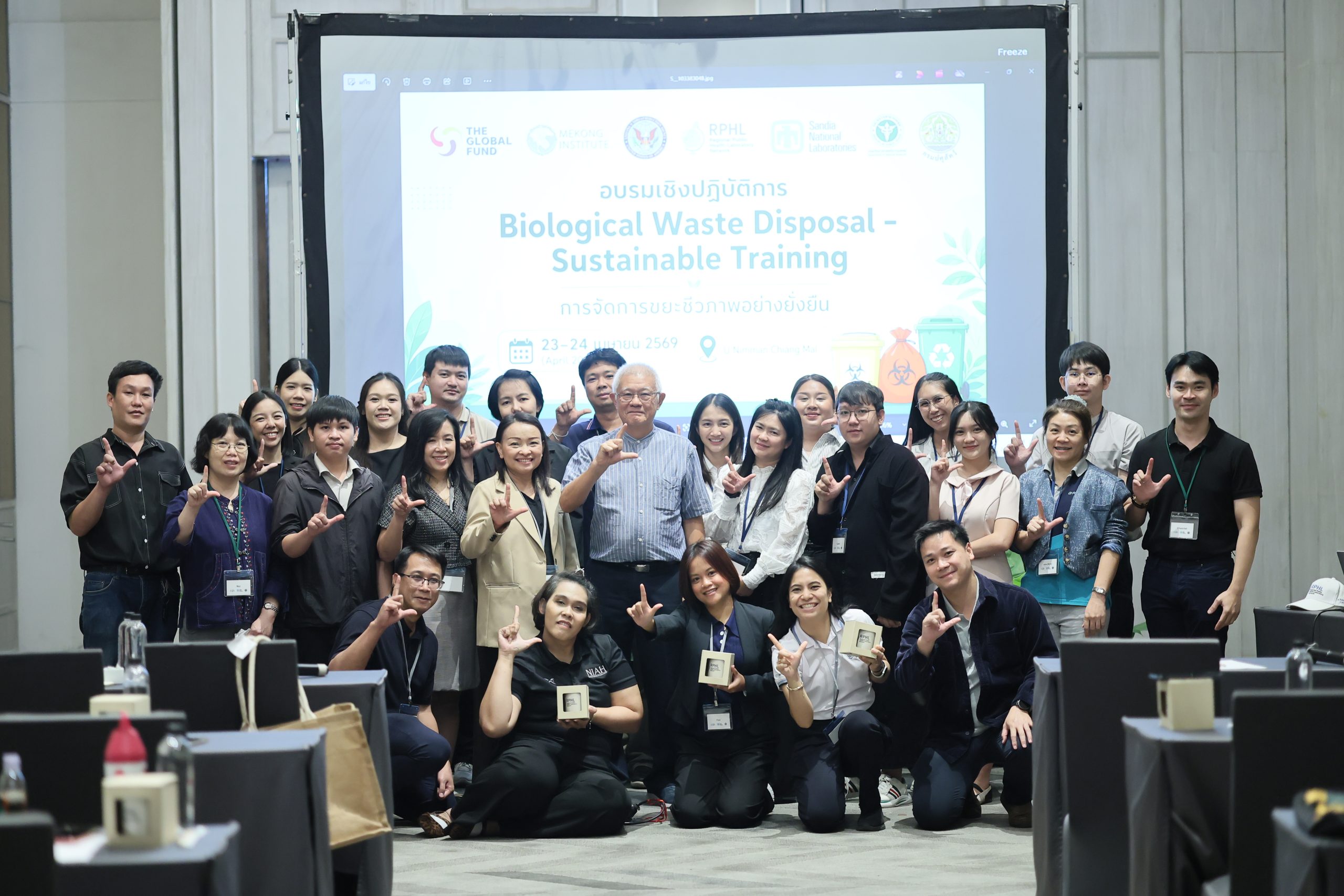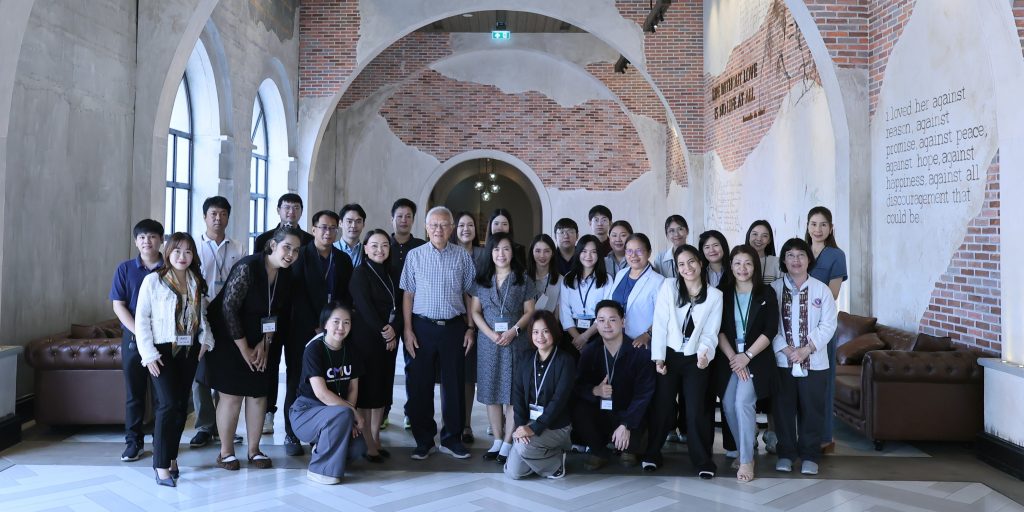
Chiang Mai, Thailand, 23–24 April 2026 | Building on a regional Training of Trainers (ToT) on Biological Waste Disposal (BWD), the Regional Public Health Laboratory (RPHL) Network, in collaboration with Sandia National Laboratories and with support from Defense Threat Reduction Agency, supported a national workshop conducted in Chiang Mai for laboratory professionals. The workshop was officially opened with virtual welcoming remarks by Dr. Watcharapong Kumla, Deputy Director-General of DMSc, Thailand, where he emphasized the importance of continued collaboration and knowledge sharing to enhance laboratory preparedness and resilience.
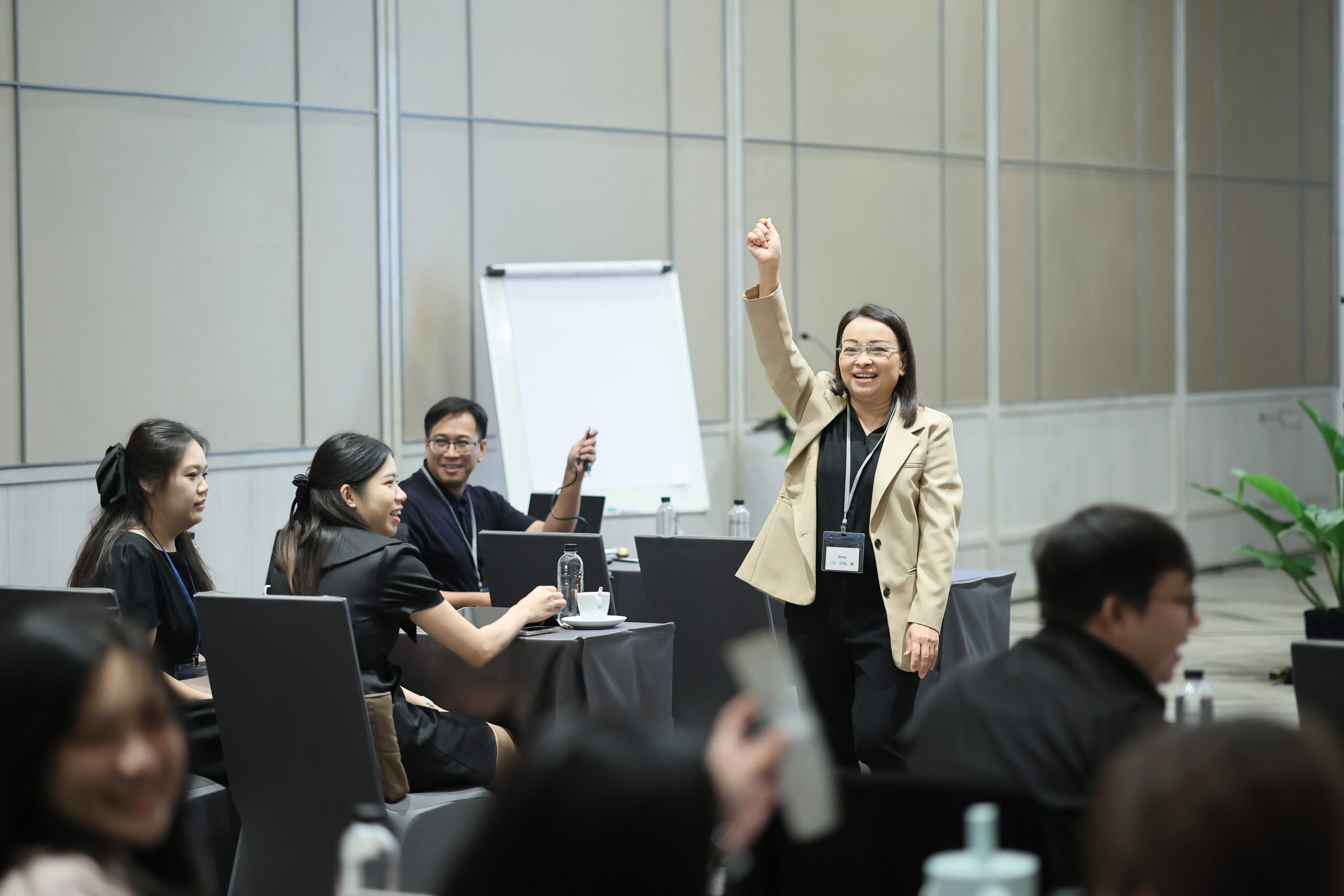
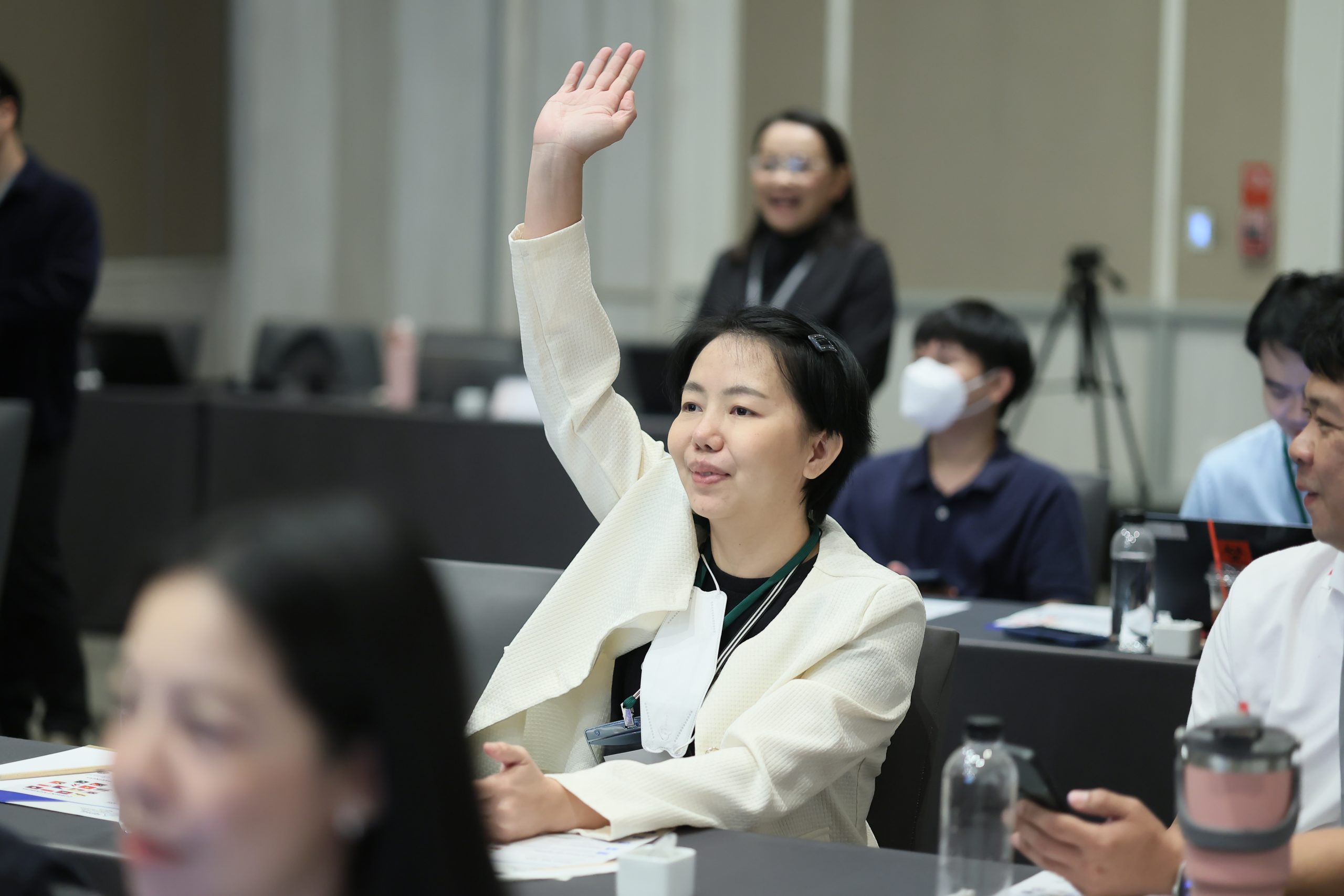
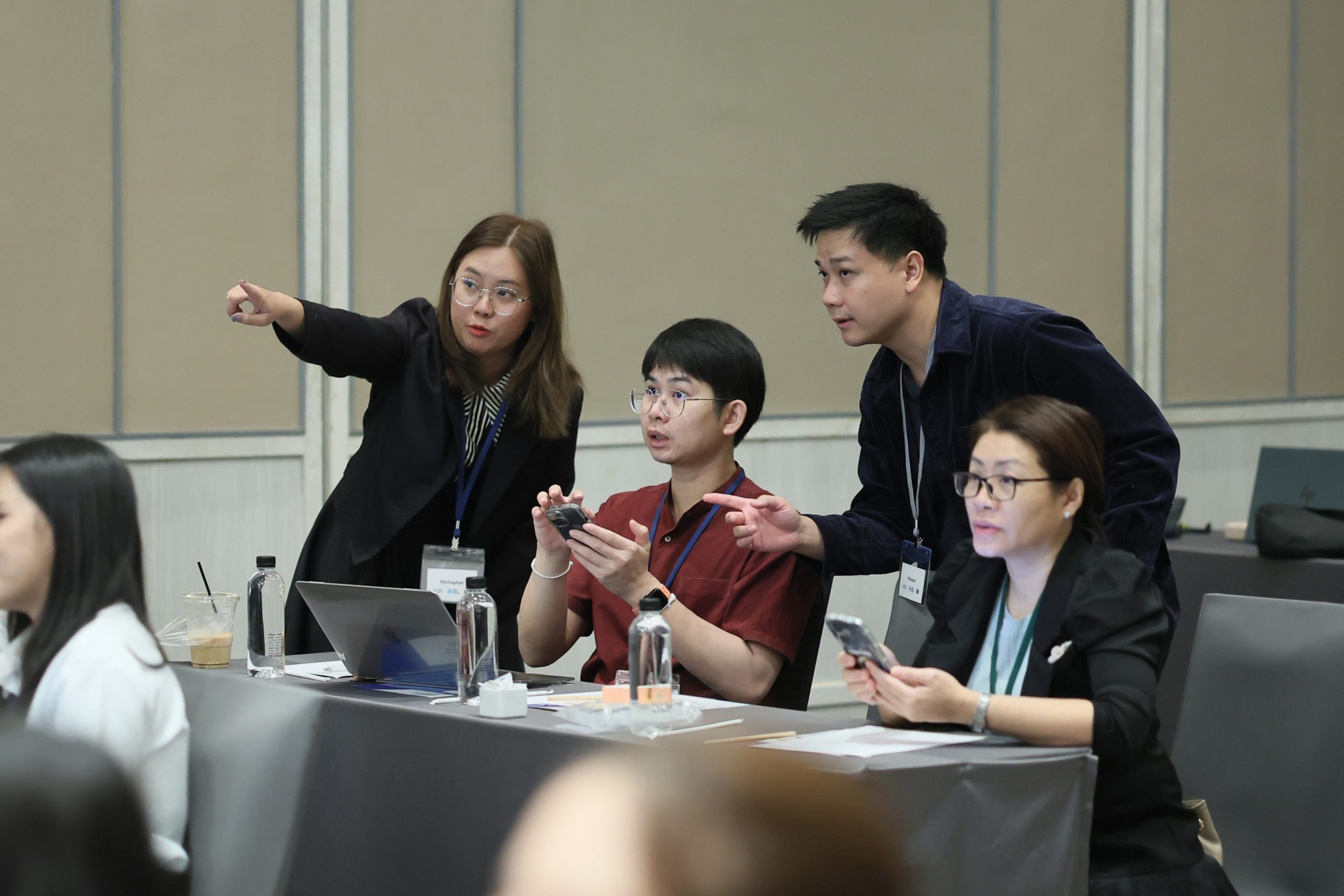
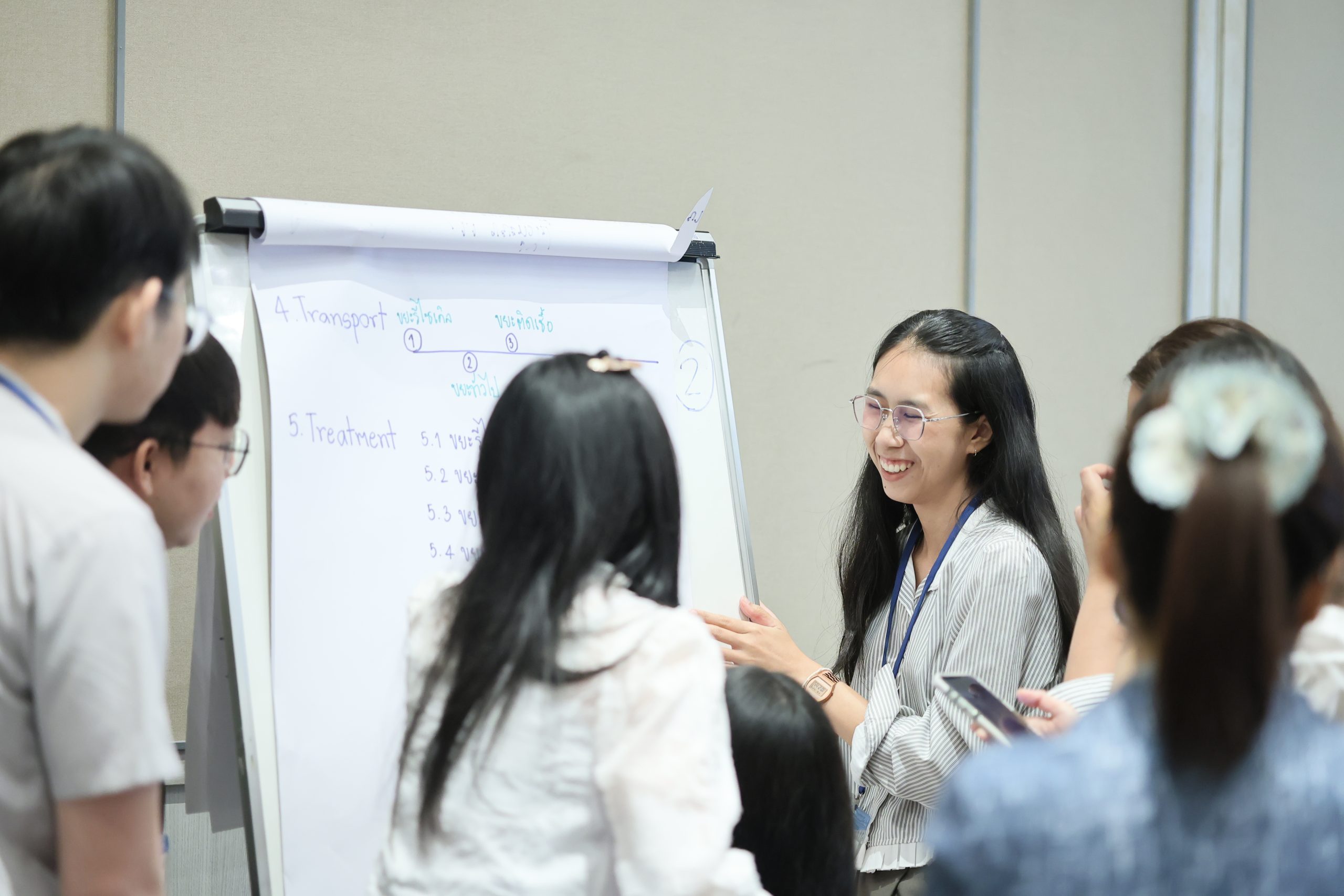
A total of 23 laboratory professionals from Chiang Mai, representing the human and animal health sectors, participated in the workshop—actively applying and demonstrating safe biological waste management practices.
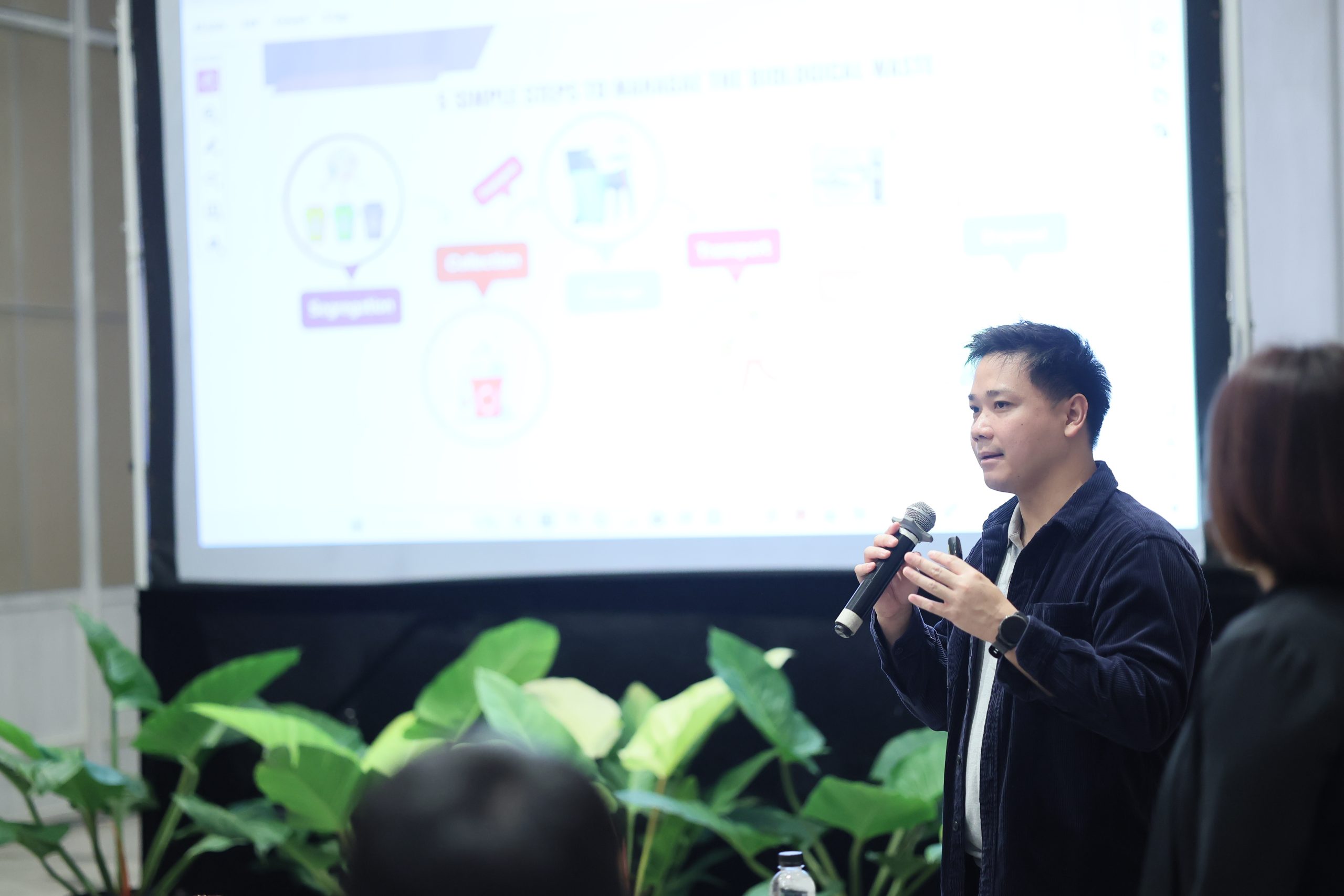
Driven by five RPHL Network Subject Matter Experts (SMEs) trained through the regional Training of Trainer in Biological Waste Disposal, from both Cohort 1 and Cohort 2, the workshop is accelerating the cascade of knowledge into national-level action. Participants applied both technical knowledge and practical approaches to effectively share and demonstrate safe biological waste management practices.
This approach reflects the RPHL Network’s commitment to building a self-sustaining system, where trained professionals are empowered not only to implement but also to transfer knowledge within their professional networks—contributing to stronger and more resilient laboratory systems. As participants return to their respective institutions, they are expected to continue applying and sharing these practices—further strengthening safe, standardized, and sustainable laboratory systems.
This workshop marks a significant step in translating regional investment into coordinated national action.
The Biological Waste Disposal Training of Trainers (ToT) is one of the RPHL Network’s flagship programmes, aimed at building a regional roster of Subject Matter Experts (SMEs) to support countries in strengthening laboratory systems and enhancing collective preparedness across the region.