

As health threats become more complex and interconnected, laboratories must work more closely across sectors. In Malaysia, laboratory services are central to diagnostics, surveillance, and preparedness—but coordination across agencies and systems was not always consistent. Experiences from outbreaks such as H1N1 and COVID-19 demonstrated strong technical capacity, but also revealed gaps in data sharing, coordination, and resource distribution, particularly beyond the Ministry of Health.
These challenges highlighted the need for a more coordinated and resilient approach—one that brings stakeholders together across sectors and strengthens preparedness for future health threats.
Advancing Cross-Sector Collaboration in National Planning
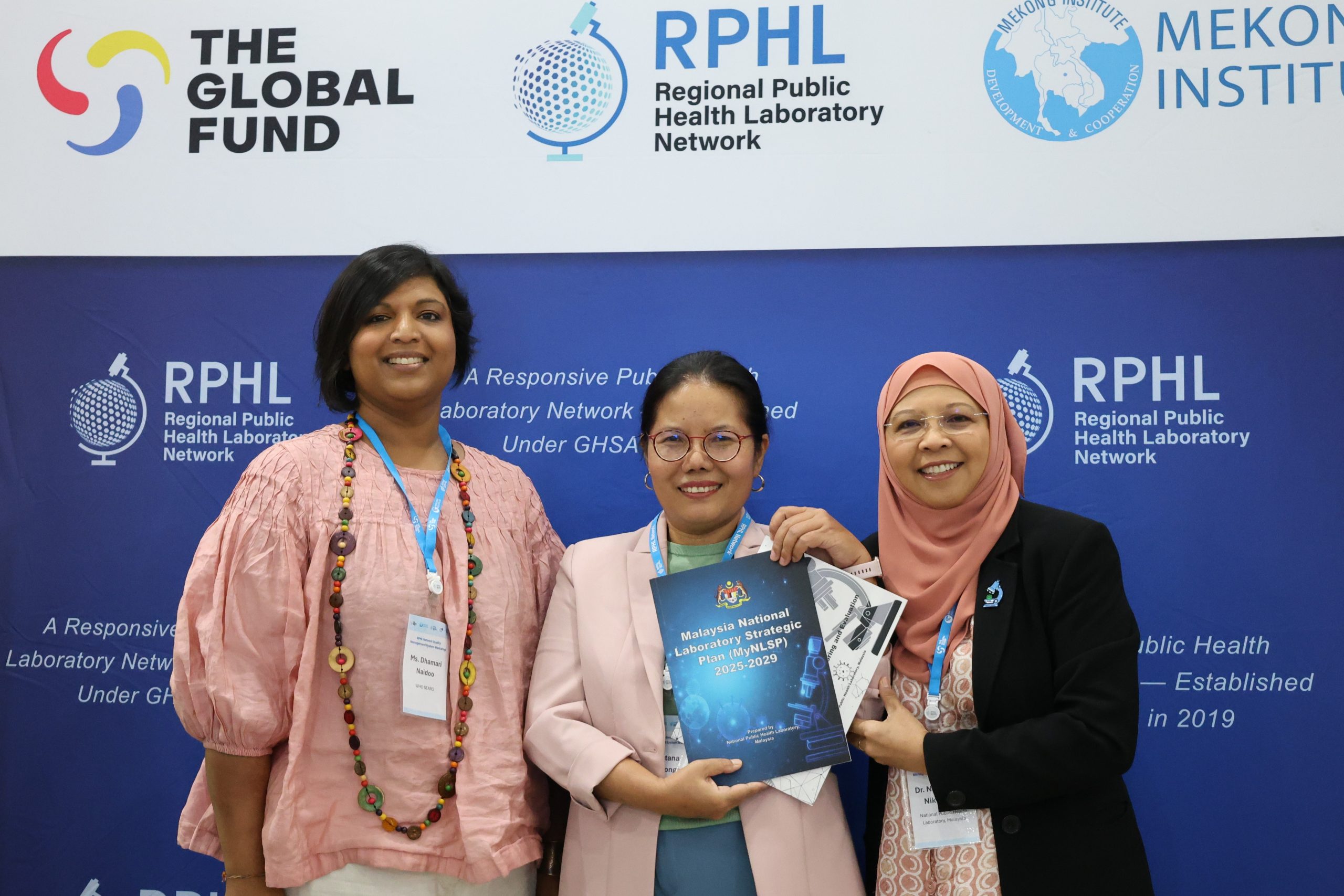
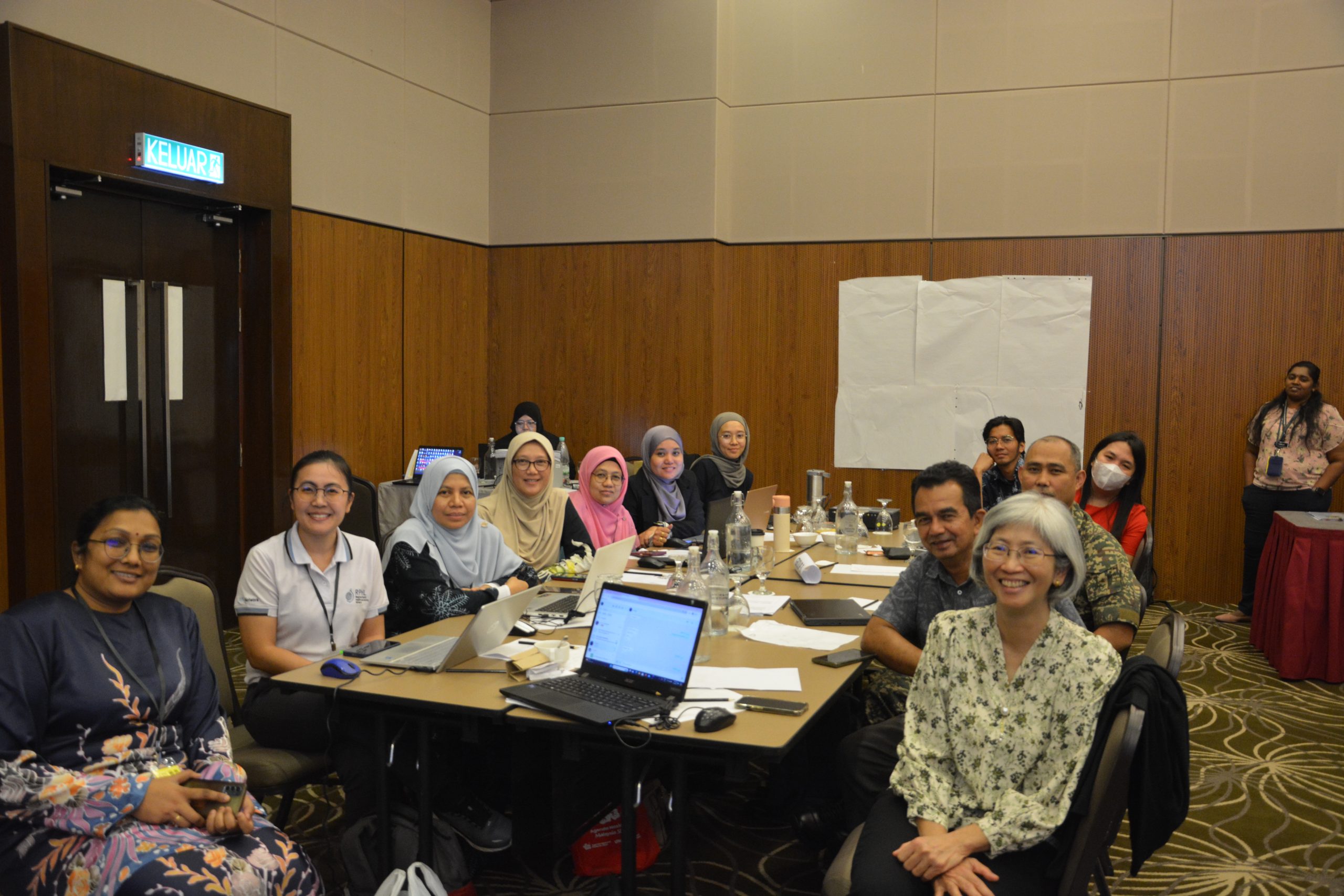
In response, the Ministry of Health Malaysia, led by the National Public Health Laboratory (NPHL), initiated the development of the Malaysia National Laboratory Strategic Plan (MyNLSP 2025–2029) in 2024. The process was inclusive and collaborative, bringing together seven ministries, private laboratories, and partners to align priorities and address shared challenges. This cross-sector approach is essential, as public health threats often extend beyond human health and require coordinated responses across human, animal, and environmental systems.
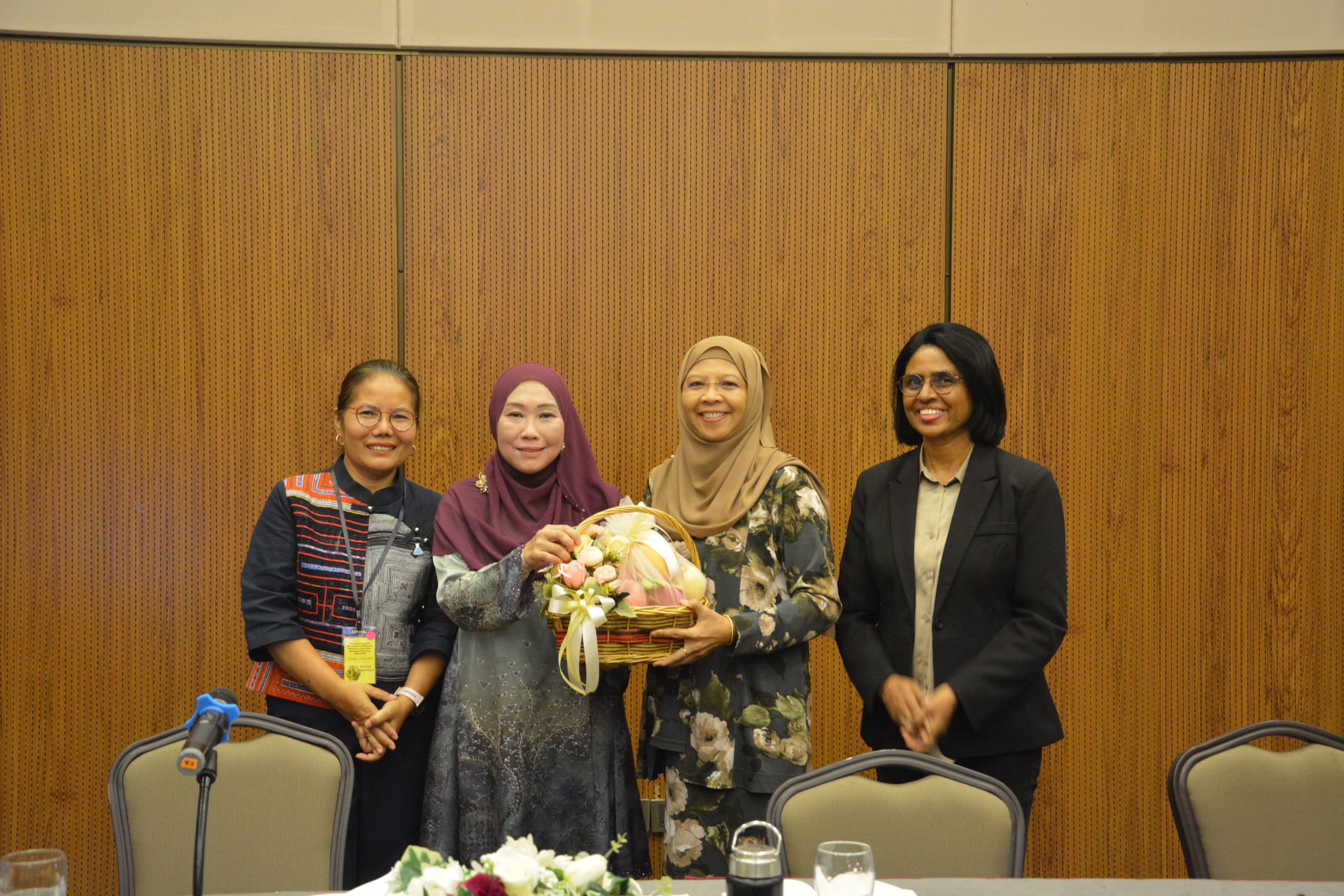
To strengthen the development process, Malaysia engaged in regional learning facilitated by the RPHL Network, which serves as a platform for peer exchange and technical collaboration. Through this engagement, Malaysia was able to draw on practical experiences from countries such as Thailand, adapt proven approaches, and accelerate and strengthen the development of its national strategy.
As a result, stakeholders began working more closely together—building trust, improving coordination, and aligning efforts under the One Health approach. This collaborative process led to the development of a comprehensive roadmap with clear priorities and actions to strengthen laboratory services across human, animal, food, and environmental health sectors.
Sustaining Impact Beyond National Systems
With the launch of MyNLSP in June 2025, Malaysia has taken an important step toward a more coordinated and resilient laboratory system. The plan provides a clear direction to strengthen preparedness and response, address emerging challenges such as antimicrobial resistance (AMR) and climate-related diseases, and support continued investment in workforce, infrastructure, and innovation.

Dr. Nik Jasmin Binti Nik Mahir
Retired Director, National Public Health Laboratory (NPHL), Ministry of Health Malaysia
MyNLSP has brought all stakeholders together stronger than ever, and we are ready to face the challenges ahead.
Malaysia’s experience demonstrates how strong national leadership, supported by collaboration and shared learning, can drive meaningful and lasting change. It also highlights the value of regional platforms like the RPHL Network, which act as enablers and connectors—helping countries learn from one another, apply practical solutions, and turn plans into action.
Building on this progress, Malaysia is now contributing as a regional resource, sharing its experience in NLSP development to support other countries embarking on similar journeys. Through these collective efforts, laboratory systems across the region are becoming more connected, resilient, and better prepared for future health challenges.