

When an outbreak begins, laboratories are often the first line of defense—confirming cases, guiding treatment, and helping governments understand how diseases spread. Behind every reliable laboratory system, however, is careful planning.
Across the Asia-Pacific, countries are taking ownership of this responsibility by developing National Laboratory Strategic Plans (NLSPs)—national roadmaps designed to strengthen laboratory systems, improve disease detection, and prepare for future public health emergencies. More than technical documents, NLSPs provide a shared vision and structured approach to strengthening laboratory networks. They guide investments, align stakeholders, and ensure that laboratories deliver high-quality, coordinated services essential for surveillance, diagnostics, and outbreak response.
From Vision to Strategy: Building a National Laboratory Roadmap
Developing an NLSP is a collaborative and structured process. Ministries of health, national reference laboratories, surveillance programmes, academic institutions, and partners work together to identify priorities and address system gaps.
The process typically begins with assessments and consultations, where stakeholders review existing policies, infrastructure, workforce capacity, and laboratory services. Through structured discussions—often using SWOT analysis—countries identify key challenges and opportunities. These insights are then translated into strategic priorities, such as strengthening quality management systems, enhancing biosafety and biosecurity, improving surveillance and data management, and expanding the laboratory workforce.
The final stage focuses on operational planning and monitoring, turning strategy into concrete actions with timelines and measurable indicators. In this way, the NLSP becomes a practical roadmap for building a coordinated and resilient laboratory system.
Country Progress: From Planning to Implementation
Across the region, countries are actively advancing and implementing their National Laboratory Strategic Plans, reflecting strong national commitment to strengthening laboratory systems.
In Brunei Darussalam, the development of its NLSP marks an important step toward strengthening coordination across institutions and ensuring laboratories are prepared to support national public health priorities. By defining shared goals, responsibilities, and investment needs, the plan helps translate vision into coordinated national action. Through the RPHL Network, experts from Malaysia and Thailand have supported the process by sharing practical experiences and lessons learned, helping to inform Brunei’s national approach. The strategic document is expected to be officially endorsed during the RPHL Network Annual Partnership Forum 2026.


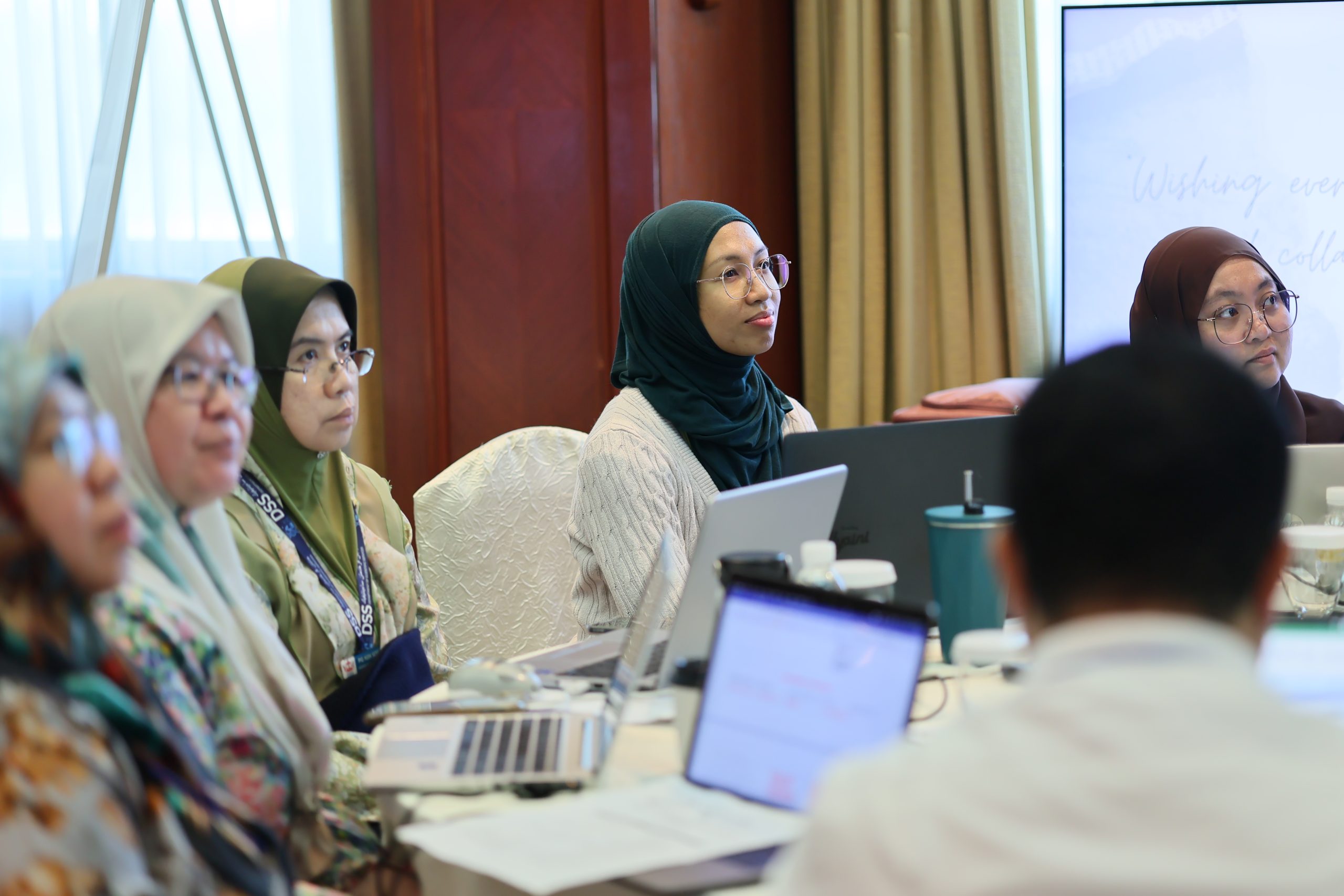
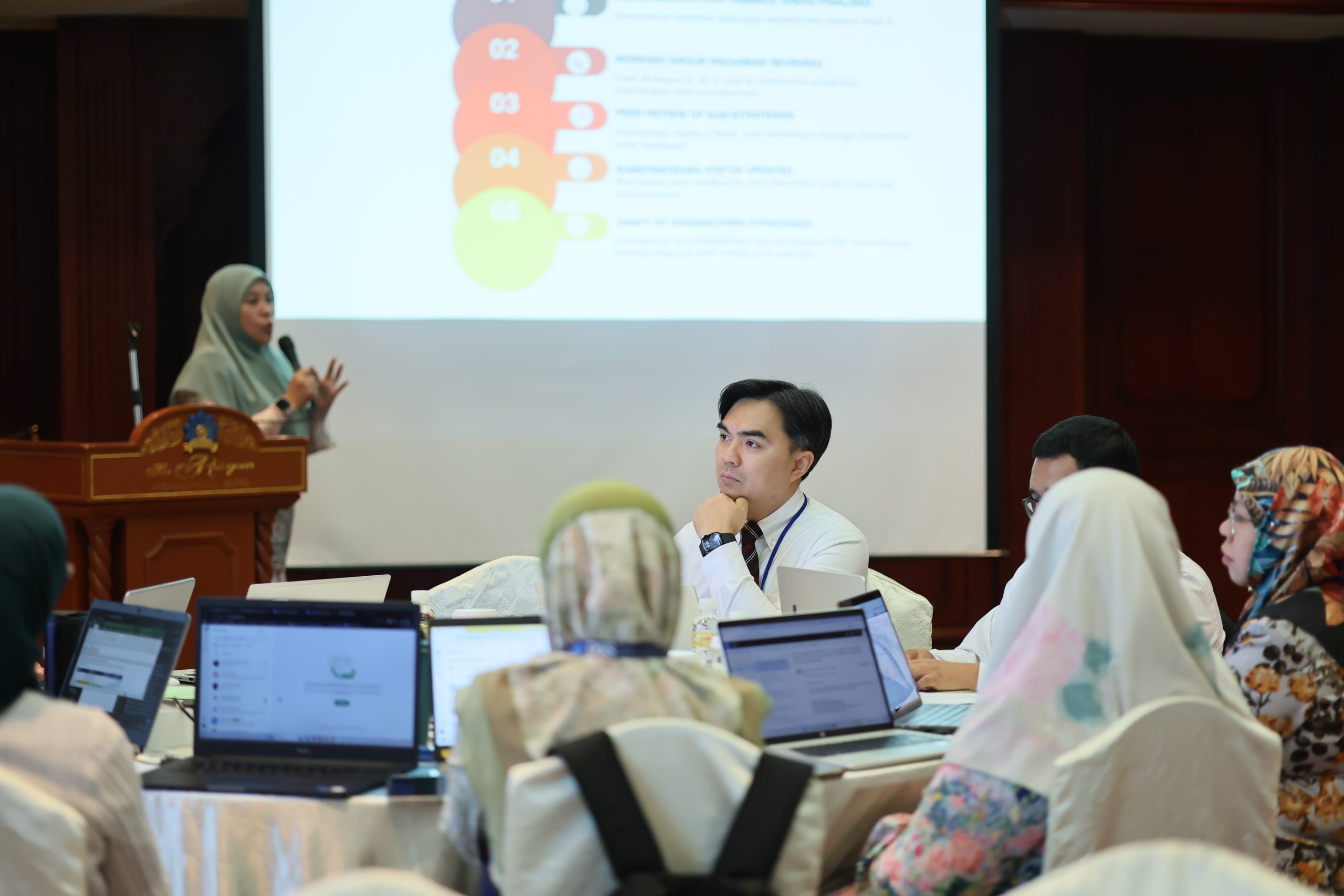
In Malaysia, efforts have moved into implementation of its National Laboratory Strategic Plan (2025–2029). Led by the National Public Health Laboratory under the Ministry of Health, the plan translates national priorities into actionable strategies guided by SMART principles and supported by a robust monitoring and evaluation framework. This process was further strengthened through regional exchanges, including peer learning with Thailand facilitated through the RPHL Network, allowing Malaysia to draw on practical experiences to inform implementation.


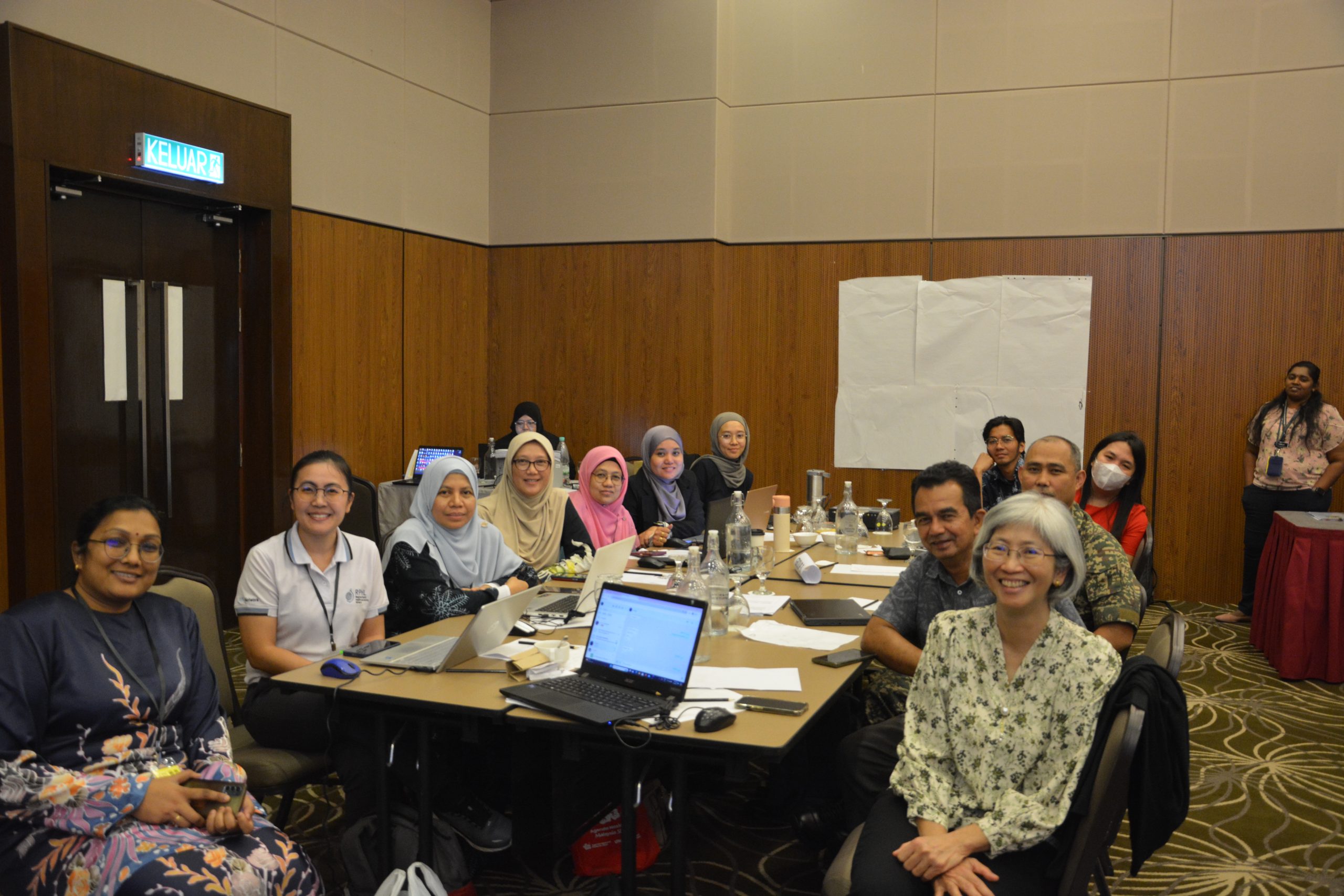
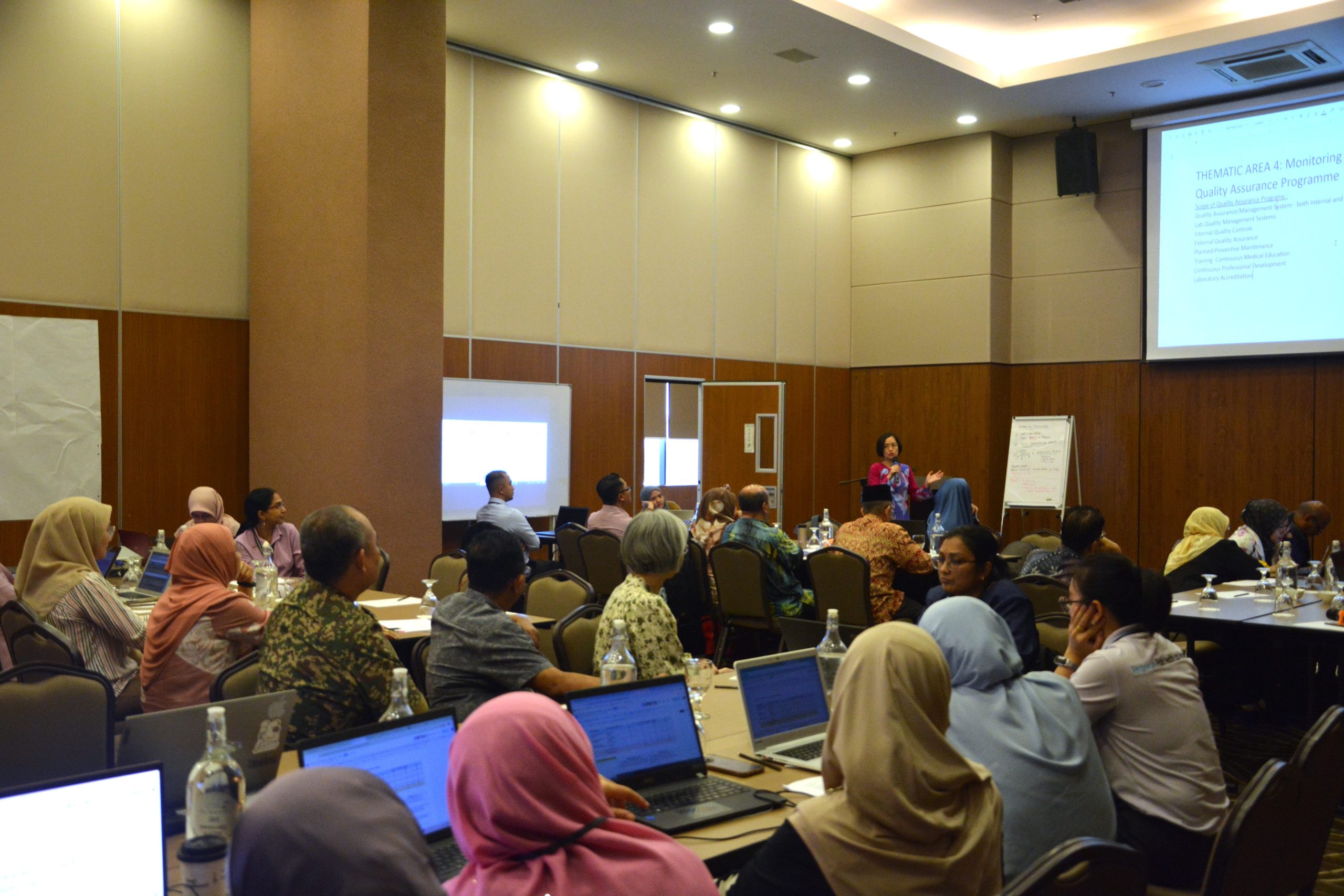
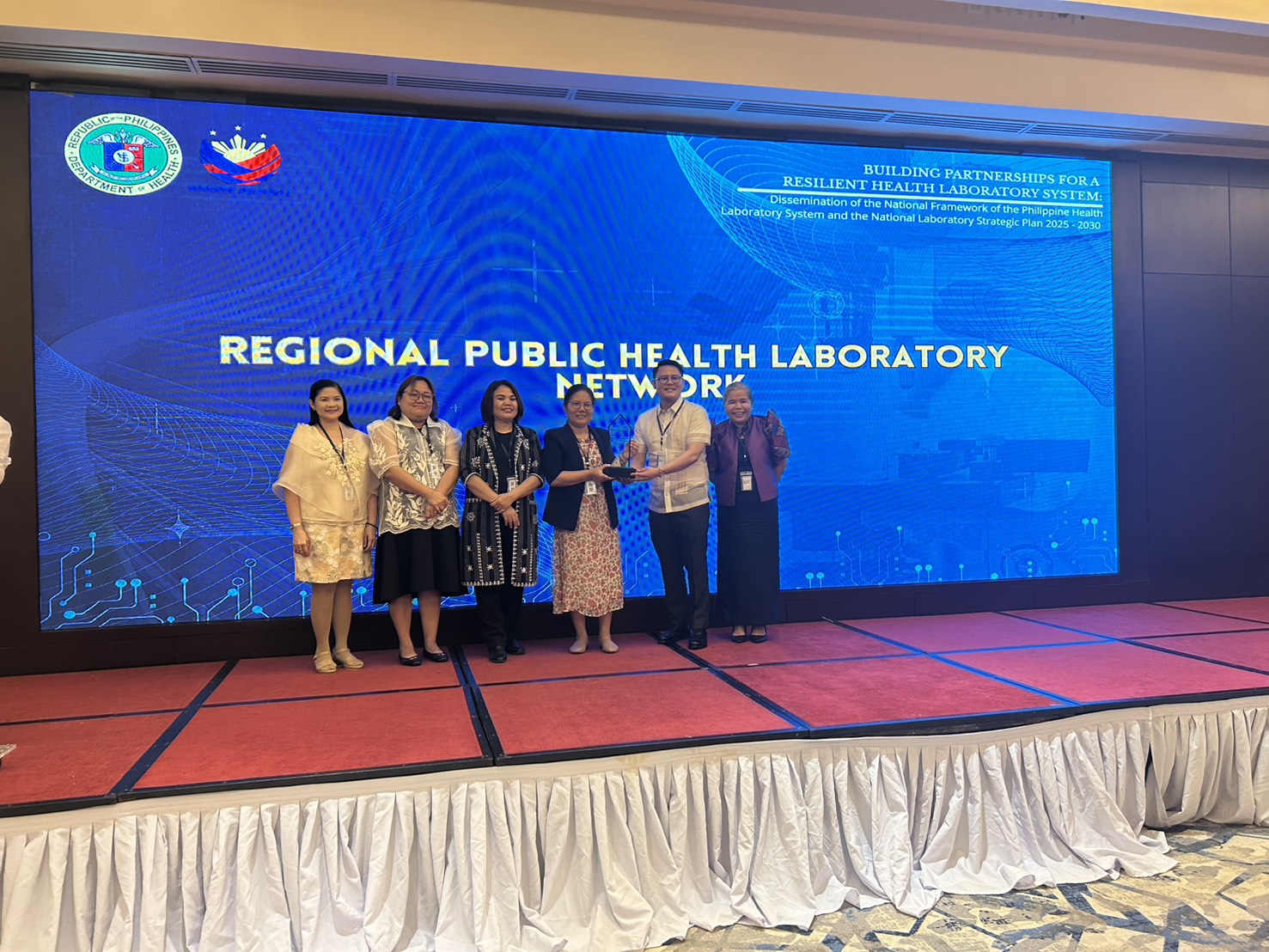
In the Philippines, the National Laboratory Strategic Plan was finalized and officially launched in October 2025. The process brought together a wide range of stakeholders through a national Technical Working Group, with contributions from both human and animal health sectors, government and private laboratories, and professional societies. Comprehensive assessments helped inform national priorities, while regional learning—such as observing Malaysia’s NLSP development—supported the creation of a coordinated and context-specific strategy.


In Thailand, the NLSP adopts a forward-looking One Health approach, integrating human, animal, and environmental health systems. Guided by recommendations from the Joint External Evaluation (JEE), the plan strengthens coordination, surveillance, and laboratory capacity across sectors.
Learning Together Through Regional Collaboration
While each country’s journey is unique, regional collaboration plays a key role in accelerating progress. Through the RPHL Network, countries are able to exchange experiences, learn from one another, and adapt practical approaches to their own systems.
This peer-to-peer model allows countries to build on existing knowledge, avoid common challenges, and strengthen their strategies more efficiently. For example, learning exchanges between Malaysia and the Philippines have helped translate practical experience into nationally relevant planning approaches.
By connecting countries and expertise across the region, the RPHL Network helps ensure that laboratory systems are strengthened not in isolation, but through shared learning and collective progress.
Strengthening Health Security Through National Leadership
The experiences of Brunei Darussalam, the Philippines, Malaysia, and Thailand demonstrate that strong national leadership is central to building resilient laboratory systems. Through NLSP development and implementation, countries are strengthening coordination, improving quality and biosafety standards, investing in workforce development, and enhancing their ability to detect and respond to emerging health threats.
More importantly, these efforts reflect a broader commitment to building laboratory systems that not only serve national needs but also contribute to regional and global health security. As countries continue to advance their NLSPs, collaboration through regional platforms such as the RPHL Network will remain essential—supporting shared learning, sustained progress, and stronger, more connected laboratory systems across Southeast Asia.