
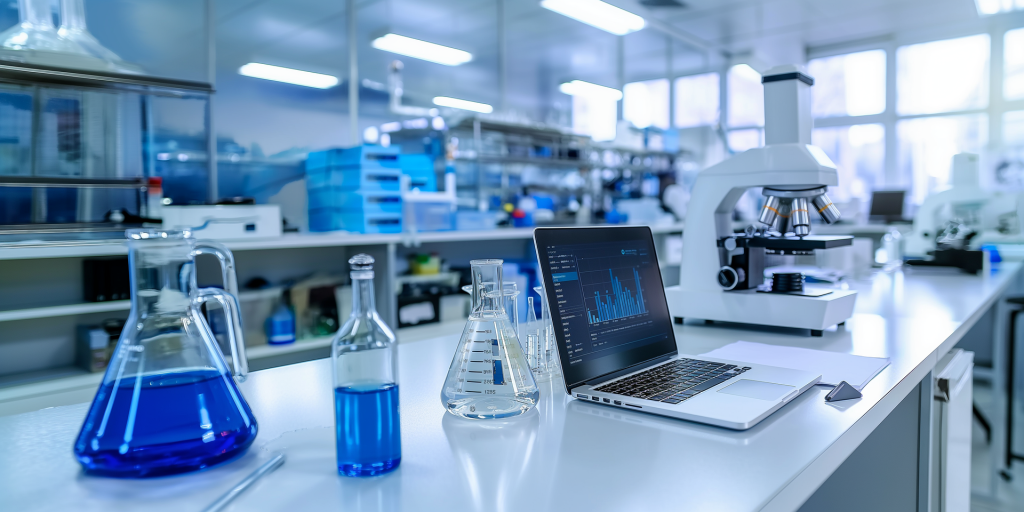
Every diagnosis begins in a laboratory. Whether confirming an infection, guiding treatment, or detecting an outbreak, people rely on laboratories to provide accurate and timely results. When laboratory quality is strong, patients receive the right treatment, outbreaks are detected earlier, and health systems can respond more effectively. When quality is weak, delays and errors can lead to missed diagnoses, inappropriate care, and slower responses to emerging threats.
Across Asia-Pacific, countries are working to strengthen these systems. While many have made significant progress, differences in capacity, coordination, and access remain across laboratory networks. Bridging these gaps is essential—not only within countries, but across the region—to ensure consistent quality and a more coordinated response to public health threats.
Strengthening Systems Through National Efforts and Regional Collaboration
Countries across the region are taking action to strengthen laboratory quality systems at the national level. In the Philippines, national policies and coordination mechanisms are improving access to quality diagnostics. In Brunei Darussalam, a centralized laboratory system supports consistent standards nationwide. In Myanmar, national strategies are guiding improvements in laboratory practices and safety.
To support these efforts, countries are aligning laboratories with international standards such as ISO 15189 and ISO 17025, helping ensure accuracy, safety, and consistency. In Vietnam, laboratories are strengthening both technical capacity and safety through these standards, while in Thailand, long-term investments in quality systems and accreditation have built a strong foundation over time.
At the same time, continuous monitoring and learning are essential. Across the region, External Quality Assessment (EQA) programmes are being strengthened to track performance and improve results. In Cambodia, digital systems are enabling more efficient reporting and review, while in Myanmar, electronic proficiency testing systems are improving speed and reliability.
Bridging these efforts at the regional level, the RPHL Network plays a key role as a platform for collaboration—bringing together laboratory professionals, institutions, and expertise across countries. Through this platform, the Network supports peer learning, facilitates the exchange of practical solutions, and helps countries adapt approaches that work in their own contexts.
At the same time, it is strengthening workforce capacity by building a growing regional pool of Quality Management System (QMS) champions through Training of Trainers programmes. These initiatives equip laboratory professionals with the skills to lead quality improvement efforts within their own countries. The upcoming regional training in Jakarta in May 2026 will further expand this pool—supporting a sustainable network of experts who can mentor others, strengthen laboratory practices, and drive continuous improvement across the region.
Stronger, Connected, and Sustainable Laboratory Systems
Together, these efforts are strengthening laboratory systems across Asia-Pacific—making them more reliable, coordinated, and responsive to public health needs. By improving both technical systems and workforce capacity, countries are building laboratory networks that can consistently deliver accurate results and support timely decision-making.
More importantly, this progress reflects a shift toward a more connected regional approach. With support from platforms like the RPHL Network, countries are not working alone, but as part of a shared effort to strengthen laboratory quality across borders.
Through this combination of national leadership and regional collaboration, Asia-Pacific is building a more resilient laboratory landscape—one that strengthens trust in diagnostics, protects public health, and is better prepared for future health challenges.